
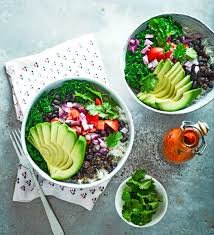
Gluten-free recipes have gained immense popularity as more people seek to manage gluten sensitivities, celiac disease, or improve overall digestive health while maintaining a balanced diet. Gluten is a protein found in wheat, barley, rye, and their derivatives, which can cause inflammation and digestive issues in sensitive individuals. Following a gluten-free diet does not mean compromising on nutrition or taste; it is entirely possible to enjoy a wide variety of meals that are rich in protein, fiber, vitamins, minerals, and healthy fats. A balanced diet based on gluten-free recipes ensures sustained energy, digestive wellness, immune support, and optimal nutrient intake. Incorporating whole foods, fruits, vegetables, lean proteins, legumes, nuts, seeds, and gluten-free grains into your meals provides a nutrient-dense approach that satisfies both health goals and taste preferences. Understanding gluten-free alternatives, cooking methods, and creative recipe ideas allows individuals to enjoy diverse, wholesome meals without gluten while supporting a healthy, balanced lifestyle.
Importance of a Gluten-Free Balanced Diet
A gluten-free balanced diet focuses on eliminating gluten while ensuring adequate intake of macronutrients and micronutrients. Gluten-free diets can improve digestion, reduce inflammation, prevent nutrient malabsorption, and support energy levels. For individuals with celiac disease, strict adherence to gluten-free recipes prevents intestinal damage and nutrient deficiencies. Even for those without gluten intolerance, reducing processed gluten-containing foods and replacing them with whole, nutrient-rich alternatives contributes to better heart health, weight management, and overall wellness. A balanced approach ensures that meals include protein for muscle repair, healthy fats for hormone regulation, complex carbohydrates for energy, and fiber for digestive health. Creating gluten-free recipes that are both delicious and nutritionally complete empowers individuals to maintain long-term health and dietary satisfaction.
Gluten-Free Grains and Flours
Gluten-free recipes rely on alternative grains and flours that provide structure, texture, and nutrition. Quinoa, brown rice, millet, buckwheat, amaranth, and sorghum are excellent sources of complex carbohydrates, fiber, and protein. Gluten-free flours such as almond flour, coconut flour, chickpea flour, oat flour (certified gluten-free), and rice flour allow baking and cooking without gluten. These flours provide diverse flavors, textures, and nutrients for balanced meals. Combining multiple gluten-free flours can improve taste and structure in baked goods, pancakes, bread, and pizza crusts. Whole grains and alternative flours contribute essential vitamins, minerals, and fiber, ensuring that gluten-free recipes remain nutrient-dense and supportive of a balanced diet.
Protein Sources in Gluten-Free Recipes
Maintaining adequate protein intake is essential for a balanced diet and can be easily achieved in gluten-free recipes. Animal-based sources include lean meats, poultry, fish, eggs, and dairy, all naturally gluten-free. Plant-based protein options such as legumes, lentils, chickpeas, tofu, tempeh, nuts, and seeds provide essential amino acids and support muscle maintenance. Gluten-free protein powders derived from whey, pea, soy, or rice can supplement dietary intake. Combining gluten-free protein sources with complex carbohydrates and vegetables ensures complete nutrition and sustained energy. High-protein gluten-free recipes help support metabolism, muscle repair, satiety, and overall fitness.
Incorporating Fruits and Vegetables
Fruits and vegetables are naturally gluten-free and critical for a balanced diet. They provide vitamins, minerals, antioxidants, and fiber to support immune function, reduce inflammation, and promote digestive health. Colorful vegetables such as leafy greens, bell peppers, carrots, broccoli, and tomatoes offer diverse nutrients for balanced meals. Fruits like berries, citrus fruits, apples, bananas, and melons add natural sweetness, fiber, and essential vitamins. Gluten-free recipes can integrate fruits and vegetables into smoothies, salads, stir-fries, soups, and baked dishes, ensuring both flavor and nutrition. Consuming a variety of produce daily enhances overall health, supports weight management, and maintains energy levels.
Healthy Fats in Gluten-Free Recipes
Healthy fats play a crucial role in a balanced gluten-free diet. Sources include olive oil, avocado, nuts, seeds, fatty fish, and coconut oil. These fats support brain function, hormone regulation, cardiovascular health, and absorption of fat-soluble vitamins. Incorporating healthy fats into gluten-free recipes improves satiety and flavor. Recipes like avocado-based dressings, nut butter sauces, roasted nuts, and seeds sprinkled over salads or smoothies provide both nutrition and taste. Including moderate amounts of healthy fats ensures energy balance and supports long-term health in gluten-free meal planning.
Fiber-Rich Gluten-Free Recipes
Fiber is essential for digestive health, satiety, and blood sugar regulation. Gluten-free recipes can include fiber-rich foods such as quinoa, buckwheat, lentils, beans, vegetables, fruits, nuts, seeds, and gluten-free oats. Incorporating fiber helps prevent constipation, improves gut health, and maintains healthy cholesterol levels. Smoothies, soups, salads, and grain bowls with gluten-free high-fiber ingredients promote fullness and balanced nutrition. High-fiber gluten-free recipes ensure that dietary restrictions do not compromise digestive wellness or nutrient density.
Gluten-Free Breakfast Ideas
Breakfast sets the tone for the day and can be deliciously gluten-free while supporting balanced nutrition. Options include gluten-free oatmeal topped with berries, nuts, and seeds, quinoa porridge with almond milk, or gluten-free pancakes made from almond or oat flour. Eggs with vegetables, avocado toast on gluten-free bread, or smoothie bowls with fruits, chia seeds, and protein powder provide energy and protein. Gluten-free muffins, granola, and breakfast bars made with alternative flours and natural sweeteners offer convenient and nutritious options. Balanced gluten-free breakfasts ensure energy, satiety, and nutrient intake for a productive day.
Gluten-Free Lunch and Dinner Recipes
Gluten-free lunches and dinners can be flavorful, satisfying, and balanced. Options include grilled chicken or fish with quinoa and roasted vegetables, lentil soup with gluten-free bread, or chickpea salad with fresh herbs and olive oil. Stir-fries with tofu or tempeh, brown rice, and a variety of vegetables provide protein, fiber, and healthy fats. Gluten-free pasta made from rice, quinoa, or chickpea flour paired with lean protein and vegetables offers a nutritious and comforting meal. Bowls combining grains, legumes, vegetables, and healthy fats can be customized for variety and nutrient density. Balanced gluten-free lunches and dinners support muscle repair, energy, and overall wellness.
Gluten-Free Snacks and Desserts
Gluten-free snacks and desserts can be both indulgent and nutritious. Roasted chickpeas, trail mix with nuts and seeds, vegetable sticks with hummus, or gluten-free energy balls made from dates and nuts are perfect for between meals. Desserts can include gluten-free muffins, cookies, and cakes using almond, coconut, or oat flour, naturally sweetened with fruits, honey, or maple syrup. Smoothie bowls, chia puddings, and fruit parfaits provide a balance of carbohydrates, protein, and healthy fats. Gluten-free snacks and desserts can satisfy cravings while maintaining a balanced nutrient profile and supporting overall health.
Meal Planning for a Gluten-Free Balanced Diet
Meal planning is essential for maintaining a gluten-free balanced diet and avoiding accidental gluten exposure. Preparing weekly menus with a variety of gluten-free grains, proteins, vegetables, fruits, and healthy fats ensures nutrient diversity. Batch cooking and freezing gluten-free meals provide convenience and reduce reliance on processed foods. Organizing a gluten-free pantry with flours, grains, legumes, and condiments simplifies meal preparation. Planning meals ahead supports adherence to dietary goals, prevents nutrient gaps, and makes it easier to enjoy balanced and delicious gluten-free dishes consistently.
Tips for Cooking Gluten-Free Recipes
Cooking gluten-free recipes successfully requires attention to ingredient selection and cross-contamination prevention. Use certified gluten-free grains, flours, and packaged products. Clean utensils, cutting boards, and cookware to prevent accidental gluten exposure. Experiment with alternative flours, seeds, and grains to improve texture and flavor. Combining gluten-free grains, legumes, and protein sources ensures complete nutrition. Incorporating herbs, spices, and healthy fats enhances taste without compromising health. Cooking gluten-free recipes creatively allows for diverse, flavorful, and nutrient-rich meals while maintaining a balanced diet.
Common Challenges and Solutions
Challenges in maintaining a gluten-free balanced diet include limited ingredient availability, risk of nutrient deficiencies, higher costs of gluten-free products, and the temptation of processed gluten-free foods. Solutions include shopping at specialty stores or online retailers, focusing on whole foods, preparing meals at home, combining different plant-based proteins, and incorporating naturally gluten-free grains and seeds. Education on reading labels and understanding hidden gluten sources prevents inadvertent consumption. Planning and creativity ensure that a gluten-free diet remains balanced, nutritious, and enjoyable.
Health Benefits of a Gluten-Free Balanced Diet
A gluten-free balanced diet offers numerous health benefits beyond managing gluten sensitivity. Improved digestion, reduced inflammation, stable energy levels, and better nutrient absorption contribute to overall wellness. A diet rich in gluten-free whole foods supports cardiovascular health, weight management, immune function, and mental clarity. Balanced gluten-free meals ensure adequate protein, fiber, vitamins, minerals, and healthy fats, promoting long-term health and disease prevention. Following gluten-free recipes as part of a nutrient-dense lifestyle enhances quality of life and supports sustainable health goals.
Conclusion on Gluten-Free Recipes for a Balanced Diet
Gluten-free recipes provide a pathway to maintaining a balanced diet while managing gluten intolerance or improving digestive health. By incorporating gluten-free grains, flours, lean proteins, legumes, nuts, seeds, fruits, vegetables, and healthy fats, individuals can enjoy diverse, flavorful, and nutrient-dense meals. Balanced breakfasts, lunches, dinners, snacks, and desserts ensure consistent nutrient intake, sustained energy, and overall wellness. Meal planning, preparation, and creative cooking techniques support adherence to a gluten-free diet while preventing nutrient deficiencies. Adopting gluten-free recipes as part of a balanced diet empowers individuals to enjoy a healthier life, improve digestion, support immunity, maintain weight, and achieve long-term wellness goals. Consistency, variety, and mindful ingredient selection make a gluten-free lifestyle both practical and satisfying while promoting optimal health.