
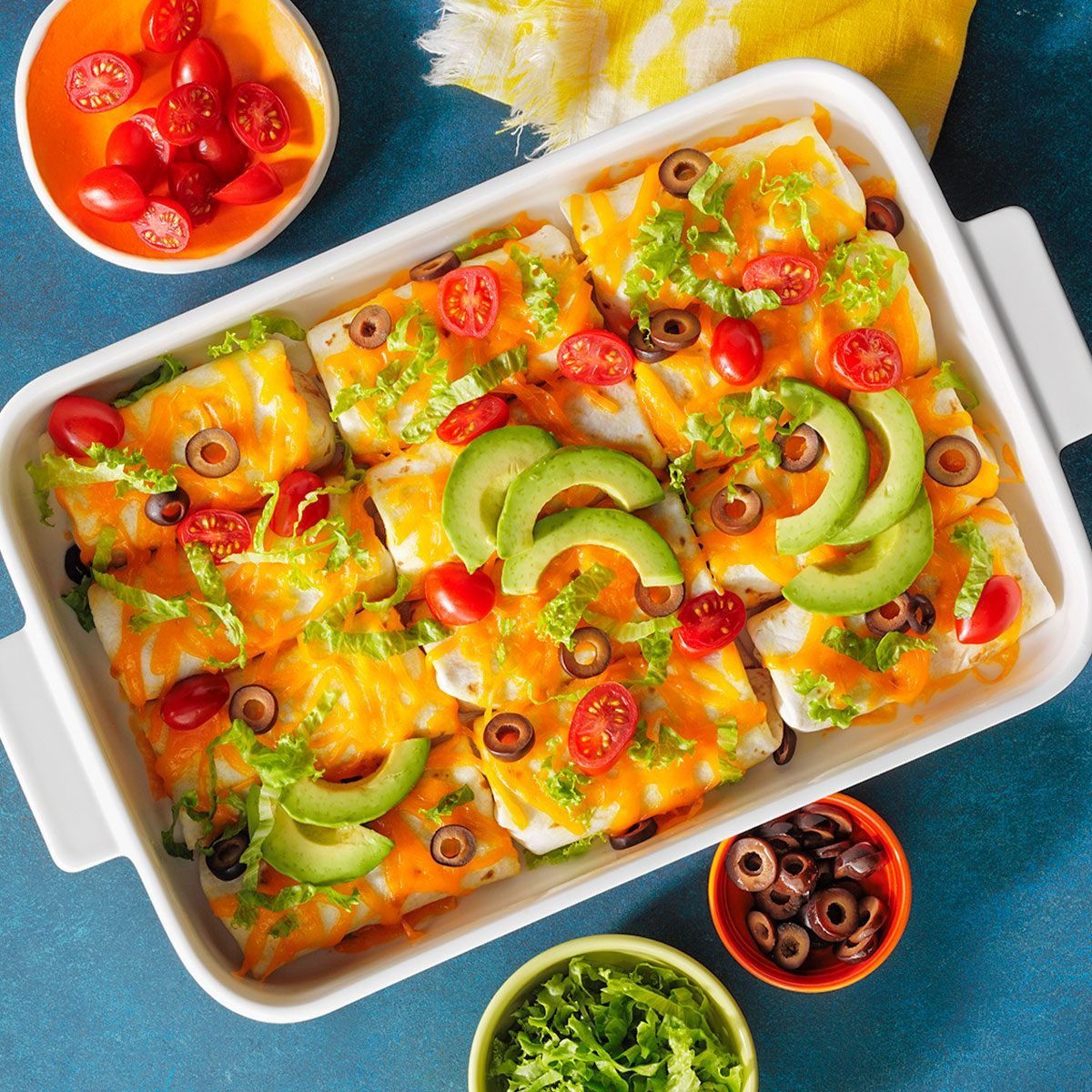
Getting children to eat healthy meals can be a challenging task for many parents, but it is entirely possible with creative, kid-friendly healthy recipes that taste amazing. Children are naturally attracted to foods that are colorful, fun, and flavorful, and when nutritious ingredients are incorporated in visually appealing ways, they are more likely to enjoy wholesome meals. Healthy eating habits established during childhood contribute to lifelong wellness, balanced growth, and proper development, and these habits are reinforced when meals are both delicious and enjoyable. This comprehensive guide explores a variety of kid-friendly healthy recipes that combine taste, nutrition, and fun, covering breakfasts, lunches, dinners, snacks, and desserts, along with tips for involving children in cooking, creating balanced meals, and making nutritious substitutions that maintain flavor while improving health outcomes. By following these strategies and recipes, parents can provide meals that children genuinely love while supporting their physical and cognitive development.
Why Kid-Friendly Healthy Recipes Are Important
Healthy meals for children provide essential nutrients such as protein, fiber, vitamins, and minerals that are crucial for growth, immune function, and cognitive development. Many children prefer highly processed or sugary foods, which can lead to nutritional deficiencies, poor energy levels, and unhealthy weight gain. By offering kid-friendly healthy recipes, parents can introduce nutrient-dense foods in ways that are appealing, satisfying, and fun. Recipes that taste amazing encourage children to explore new flavors, develop a positive relationship with food, and learn to enjoy wholesome ingredients without feeling restricted or forced.
Tips for Making Healthy Recipes More Appealing to Kids
- Use Bright Colors: Incorporate fruits, vegetables, and herbs to create visually appealing dishes.
- Fun Shapes and Presentation: Use cookie cutters, bento-style plates, or playful arrangements to engage children.
- Interactive Meals: Offer build-your-own options, such as tacos, wraps, or mini pizzas, where children assemble their own meals.
- Sneak in Nutrients: Blend vegetables into sauces, soups, smoothies, or muffins to increase fiber and vitamin intake without sacrificing taste.
- Flavorful Seasonings: Use mild herbs and spices like cinnamon, garlic, basil, or oregano to add taste without excess salt or sugar.
- Healthy Substitutions: Replace refined flour with whole grains, sugar with natural sweeteners like honey or mashed bananas, and cream with yogurt or avocado for creaminess.
Kid-Friendly Healthy Breakfast Ideas
A nutritious breakfast jump-starts metabolism and provides energy for learning and play. Kid-friendly healthy breakfast recipes include whole-grain pancakes made with oats and mashed bananas, topped with fresh fruit; scrambled eggs with spinach, tomatoes, and cheese; overnight oats with chia seeds, milk, and berries; smoothie bowls made from yogurt, frozen fruits, and a sprinkle of granola; and whole-grain waffles with nut butter and sliced fruits. These breakfasts combine protein, fiber, and vitamins while remaining appealing and fun for children. Smoothies can be made visually exciting with layered colors or fun straws and cups, encouraging kids to enjoy their morning nutrition.
Healthy Lunch Options Kids Will Love
Lunch should be balanced, including lean proteins, whole grains, and vegetables. Kid-friendly healthy recipes for lunch include turkey or chicken wraps with whole-grain tortillas and colorful vegetables, mini veggie and cheese quesadillas, pasta salads with cherry tomatoes, spinach, and chickpeas, baked sweet potato fries with a side of hummus, and homemade mini pizzas with whole-wheat crust, tomato sauce, and assorted vegetables. Bento-style lunch boxes with compartments for protein, grains, fruits, and vegetables make meals visually appealing and offer a variety of flavors and textures that children enjoy. Introducing dipping sauces like yogurt-based dressings or guacamole can make vegetables more enticing.
Nutritious Dinner Ideas for Kids
Dinner recipes should focus on lean protein, whole grains, and plenty of vegetables while keeping flavors mild and textures appealing. Kid-friendly healthy dinner recipes include baked chicken tenders coated in whole-grain breadcrumbs, fish sticks made from fresh fish and baked instead of fried, turkey or veggie meatballs served with whole-grain spaghetti and tomato sauce, vegetable stir-fry with brown rice or quinoa, and stuffed bell peppers with rice, beans, and cheese. Using familiar flavors, mild spices, and visually appealing presentations encourages children to enjoy a balanced dinner while exploring new ingredients. Incorporating interactive elements, such as allowing children to top their own stuffed peppers or assemble tacos, enhances engagement and willingness to try new foods.
Healthy Snack Ideas for Children
Snacks are an important part of a child’s diet and provide energy between meals. Kid-friendly healthy snack recipes include fruit kabobs with yogurt dip, homemade granola bars with oats, nuts, and honey, apple slices with nut butter, vegetable sticks with hummus, baked zucchini or carrot fries, energy balls made with dates, nuts, and cocoa powder, and yogurt parfaits layered with berries and granola. Snacks should be nutrient-dense, visually appealing, and easy to eat, providing protein, fiber, and healthy fats to support growth and maintain energy levels throughout the day. Pre-portioning snacks into colorful containers or small bags makes them convenient and encourages mindful eating.
Delicious and Healthy Dessert Options
Children often crave sweet treats, but desserts can be made healthier without sacrificing taste. Kid-friendly healthy dessert recipes include banana ice cream made by blending frozen bananas, oatmeal cookies with applesauce and cinnamon, chia seed pudding with fruit toppings, Greek yogurt popsicles with berries, and dark chocolate-dipped strawberries. Using natural sweeteners, fruits, and whole grains allows children to enjoy satisfying desserts that are also rich in nutrients, fiber, and antioxidants. Engaging children in dessert preparation, such as dipping strawberries in chocolate or assembling parfaits, makes healthy eating fun and interactive.
Creative Ways to Incorporate Vegetables
Vegetables are sometimes challenging for children to enjoy, but creative approaches can make them appealing. Recipes include blending vegetables into sauces, soups, or smoothies; creating colorful veggie muffins; making zucchini or carrot “noodles” instead of pasta; adding finely chopped vegetables to meatballs, burgers, or baked dishes; and using vegetable dips with kid-friendly shapes or colorful presentation. By integrating vegetables into familiar and fun dishes, children can develop a taste for a variety of flavors and textures without feeling forced.
Involving Kids in Cooking
Involving children in meal preparation fosters interest in healthy eating, teaches cooking skills, and increases the likelihood that they will try new foods. Age-appropriate tasks include washing fruits and vegetables, stirring batter, assembling sandwiches or wraps, decorating dishes, and setting the table. Cooking together also provides an opportunity to educate children about nutrition, portion sizes, and the benefits of different food groups. When children participate in creating meals, they take pride in their contributions and are more likely to enjoy eating the food they helped prepare.
Planning Balanced Meals for Kids
Balanced meals for children should include protein, complex carbohydrates, healthy fats, and a variety of colorful vegetables and fruits. Protein supports growth and development, carbohydrates provide energy for daily activities, fats support brain development and hormone regulation, and fruits and vegetables provide essential vitamins, minerals, and antioxidants. Parents can plan weekly meal schedules that rotate proteins, grains, and vegetables, ensuring variety and preventing monotony. Portion control, age-appropriate serving sizes, and mindful eating habits should be emphasized to support healthy growth without overeating.
Making Healthy Food Fun
Presentation and creativity are key to making healthy recipes appealing to children. Using colorful plates, cutting foods into fun shapes, arranging meals in rainbow patterns, creating animal-shaped sandwiches, and incorporating playful utensils or cups can make meals more exciting. Storytelling about foods, such as calling broccoli “trees” or carrots “super sticks,” adds an imaginative element that engages children. Fun presentation combined with tasty, nutritious ingredients encourages children to develop positive relationships with healthy foods.
Healthy Substitutions for Classic Recipes
Parents can make traditional favorites healthier by incorporating smart substitutions. Whole-grain flour can replace refined flour in pancakes, muffins, and bread. Natural sweeteners like honey, maple syrup, or mashed bananas can reduce refined sugar content. Yogurt or avocado can replace cream or butter in sauces, and baked versions of fried foods reduce unhealthy fat intake. Swapping white rice for quinoa or brown rice increases fiber and nutrient density. These substitutions maintain flavor and texture while improving nutritional value, supporting healthy eating habits without sacrificing taste.
Tips for Encouraging Healthy Eating Habits
- Introduce new foods gradually and pair them with familiar favorites.
- Avoid pressuring children to eat; instead, encourage exploration and curiosity.
- Offer variety in colors, flavors, and textures to stimulate interest.
- Model healthy eating behaviors as parents or caregivers.
- Keep healthy options accessible and visible while limiting processed snacks.
- Praise children for trying new foods, reinforcing positive experiences with nutrition.
Meal Prep and Planning for Busy Families
Preparing healthy meals for children can be time-consuming, but meal prepping and planning make it manageable. Batch-cooking proteins, chopping vegetables in advance, pre-portioning snacks, and freezing healthy meals or desserts allows families to maintain a consistent supply of nutritious options. Creating a weekly meal plan that balances breakfast, lunch, dinner, snacks, and desserts ensures children receive a variety of nutrients while reducing last-minute reliance on processed foods. Involving children in planning meals can also increase their engagement and willingness to try new recipes.
Conclusion
Kid-friendly healthy recipes that taste amazing are essential for establishing lifelong healthy eating habits, supporting growth, and promoting overall wellness. By combining protein, whole grains, fruits, vegetables, and healthy fats in visually appealing and flavorful ways, parents can create meals that children genuinely enjoy. Incorporating creative presentations, interactive meal options, smart substitutions, and balanced nutrition ensures that children receive essential nutrients while developing a positive relationship with food. Breakfasts, lunches, dinners, snacks, and desserts can all be made nutritious and appealing, and involving children in meal preparation enhances engagement and excitement around healthy eating. With careful planning, creativity, and consistency, families can enjoy a variety of delicious, nutrient-rich meals that support growth, energy, and long-term health while making healthy eating an enjoyable experience for kids.