
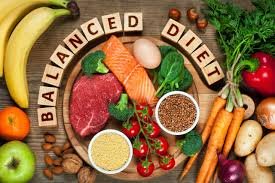
Gut health has emerged as a critical aspect of overall wellness, influencing digestion, immunity, metabolism, mental health, and even skin condition. The gut microbiome, a complex community of bacteria, fungi, and other microorganisms, plays a central role in these processes. Maintaining a healthy gut requires a balanced diet that nourishes beneficial microbes while minimizing foods that disrupt microbial balance or trigger inflammation. Knowing which foods to include and avoid for gut health is essential for preventing digestive issues, supporting immune function, and enhancing overall well-being. A diet rich in fiber, fermented foods, prebiotics, and antioxidants promotes gut diversity, whereas excessive sugar, highly processed foods, and artificial additives can impair gut function and contribute to dysbiosis, inflammation, and chronic diseases.
Understanding Gut Health
Gut health refers to the optimal function of the gastrointestinal tract, including digestion, nutrient absorption, and a balanced microbiome. A healthy gut contains a diverse population of beneficial bacteria that aid in breaking down food, producing essential nutrients, regulating immune responses, and preventing pathogenic bacteria from overgrowing. Factors such as stress, poor sleep, medications, and dietary choices can negatively impact gut health. Consuming the right foods and avoiding harmful ones is one of the most effective ways to maintain gut integrity, support beneficial bacteria, and prevent gastrointestinal disorders like bloating, constipation, diarrhea, and irritable bowel syndrome.
Benefits of a Gut-Friendly Diet
Eating a diet focused on gut health has numerous benefits beyond digestive comfort. A healthy gut improves nutrient absorption, boosts immunity, reduces inflammation, supports mental health through the gut-brain axis, regulates weight, and may even enhance skin health. Beneficial gut bacteria ferment fiber into short-chain fatty acids like butyrate, which nourish intestinal cells, reduce inflammation, and strengthen the gut barrier. By including foods that promote microbiome diversity and avoiding foods that disrupt gut flora, individuals can support long-term health and prevent chronic conditions associated with poor gut function.
Foods to Include for Gut Health
Fiber-Rich Vegetables and Fruits
Vegetables and fruits are essential for gut health because they provide dietary fiber, antioxidants, vitamins, and minerals that nourish beneficial gut bacteria. Leafy greens like spinach, kale, and Swiss chard, cruciferous vegetables like broccoli and cauliflower, and colorful options like bell peppers, carrots, and beets are excellent choices. Fruits such as apples, berries, pears, bananas, and citrus provide soluble and insoluble fiber that support digestion and microbial diversity. Fiber promotes regular bowel movements, reduces bloating, and serves as a prebiotic, feeding beneficial gut bacteria and enhancing short-chain fatty acid production.
Whole Grains and Legumes
Whole grains like oats, quinoa, brown rice, barley, and millet contain complex carbohydrates and fiber that promote a healthy gut microbiome. Legumes including lentils, chickpeas, black beans, and kidney beans are rich in fiber, resistant starch, and plant-based proteins that support beneficial bacteria. Consuming a variety of whole grains and legumes helps maintain regularity, increases microbial diversity, and supports long-term gut health while providing essential nutrients and sustained energy.
Fermented Foods
Fermented foods are rich in probiotics, which are live beneficial bacteria that colonize the gut and improve microbial balance. Yogurt with live cultures, kefir, kimchi, sauerkraut, miso, kombucha, and pickled vegetables are excellent options. Regular inclusion of fermented foods enhances digestion, boosts immune function, reduces inflammation, and supports gut microbiome diversity. Probiotics also help maintain intestinal barrier integrity and reduce the risk of gastrointestinal infections and disorders.
Prebiotic Foods
Prebiotics are non-digestible fibers that feed beneficial gut bacteria, helping them thrive. Foods rich in prebiotics include garlic, onions, leeks, asparagus, Jerusalem artichokes, bananas, and chicory root. Prebiotics enhance the growth of probiotics, increase production of short-chain fatty acids, improve nutrient absorption, and regulate bowel movements. Including prebiotic foods alongside probiotics creates a synergistic effect for optimal gut health.
Healthy Fats
Healthy fats support gut health by reducing inflammation and supporting nutrient absorption. Sources include avocados, olive oil, nuts, seeds, and fatty fish like salmon, mackerel, and sardines. Omega-3 fatty acids, in particular, help reduce intestinal inflammation and promote a balanced gut microbiome. Including moderate amounts of healthy fats in meals enhances satiety, supports digestive function, and contributes to overall microbial diversity.
Hydration
Adequate hydration is vital for gut health, as water supports digestion, nutrient absorption, and regular bowel movements. Drinking sufficient water, herbal teas, and other low-calorie fluids prevents constipation, maintains mucosal lining in the intestines, and facilitates the movement of fiber through the digestive tract. Proper hydration also supports detoxification and overall metabolic processes essential for a healthy gut.
Polyphenol-Rich Foods
Polyphenols are plant compounds that act as antioxidants and support gut microbiome diversity. Foods such as green tea, berries, cocoa, nuts, seeds, and colorful fruits and vegetables are rich in polyphenols. Polyphenols promote the growth of beneficial bacteria, reduce oxidative stress, and enhance intestinal barrier function. Including polyphenol-rich foods in daily meals contributes to long-term gut health and overall well-being.
Foods to Avoid for Gut Health
Highly processed and packaged foods often contain refined sugars, artificial additives, unhealthy fats, and low fiber content, all of which negatively impact gut health. Snack foods, frozen meals, instant noodles, and packaged baked goods can disrupt microbial balance, reduce gut diversity, and trigger inflammation. Minimizing processed foods and focusing on whole, minimally processed options supports a thriving gut microbiome.
Added Sugars
Excessive sugar intake feeds harmful bacteria and yeast in the gut, leading to dysbiosis, bloating, and digestive discomfort. Foods high in added sugars include sodas, candies, sweetened cereals, pastries, and desserts. Limiting added sugars helps maintain microbial balance, prevents inflammation, and supports weight management and metabolic health.
Artificial Sweeteners
Artificial sweeteners such as aspartame, saccharin, and sucralose may alter gut microbiota composition, impair glucose tolerance, and promote digestive disturbances in some individuals. While they provide low-calorie alternatives to sugar, frequent consumption can negatively affect gut microbiome diversity. Choosing natural sweeteners like stevia or reducing overall sweetener intake is preferable for gut health.
Refined Carbohydrates
White bread, white rice, pastries, and other refined grains are low in fiber and can lead to blood sugar spikes and microbial imbalance. These foods are rapidly digested and may feed pathogenic bacteria instead of beneficial microbes. Replacing refined carbohydrates with whole grains, legumes, and high-fiber foods supports microbial diversity and promotes stable digestion and blood sugar control.
Fried and Fatty Foods
Fried foods, fast food, and meals high in saturated and trans fats can promote inflammation, slow digestion, and negatively affect gut microbiota. Excessive consumption may lead to bloating, diarrhea, and long-term microbial imbalance. Opting for baked, grilled, steamed, or lightly sautéed foods with healthy fats supports gut health while maintaining flavor and nutrient density.
Excess Dairy
Some individuals have difficulty digesting lactose, a sugar found in dairy products, which can cause bloating, gas, and diarrhea. Limiting high-lactose dairy products or choosing lactose-free alternatives and fermented dairy like yogurt can minimize digestive discomfort while still providing protein and calcium for gut health.
Alcohol
Excessive alcohol consumption disrupts gut microbiota, increases intestinal permeability, and promotes inflammation. Regular alcohol intake can lead to dysbiosis, digestive issues, and impaired nutrient absorption. Limiting alcohol or choosing moderate intake supports gut integrity and overall microbial balance.
Red and Processed Meats
Red and processed meats, such as bacon, sausages, and deli meats, contain high amounts of saturated fat, preservatives, and additives that can negatively impact gut microbiota and increase inflammation. While occasional lean meat can be part of a balanced diet, minimizing processed and high-fat meats supports long-term gut health.
Lifestyle Practices to Support Gut Health
In addition to dietary choices, lifestyle factors play a critical role in maintaining a healthy gut. Regular physical activity promotes healthy bowel movements and microbial diversity. Adequate sleep supports the gut-brain axis and reduces inflammation. Stress management through meditation, yoga, or mindfulness techniques prevents dysbiosis caused by chronic stress. Avoiding unnecessary antibiotics and limiting medications that disrupt gut microbiota is also essential. Combining gut-friendly foods with positive lifestyle habits maximizes digestive health and overall well-being.
Creating a Balanced Gut-Friendly Meal Plan
A balanced meal plan for gut health includes a variety of fiber-rich vegetables and fruits, whole grains, legumes, lean proteins, fermented foods, healthy fats, and polyphenol-rich foods. Breakfast options could include oatmeal with berries, chia seeds, and almond milk or a yogurt parfait with nuts and fruit. Lunch can include quinoa salad with mixed vegetables, chickpeas, and olive oil dressing or a grilled salmon bowl with leafy greens and roasted vegetables. Dinner options might include vegetable stir-fry with tofu and brown rice, lentil soup with whole-grain bread, or baked chicken with steamed vegetables. Snacks such as raw nuts, fresh fruits, hummus with vegetables, or kombucha support microbiome diversity and prevent unhealthy cravings.
Monitoring Gut Health
Monitoring gut health involves paying attention to digestive symptoms, bowel regularity, energy levels, and overall wellness. Persistent bloating, constipation, diarrhea, or abdominal discomfort may indicate an imbalance in gut microbiota. Keeping a food diary, noting symptoms, and consulting with a healthcare professional or dietitian can help identify foods that support or hinder gut health. Regularly including gut-friendly foods while avoiding harmful ones ensures sustainable improvements in digestion, immunity, and overall vitality.
Conclusion
Foods to include and avoid for gut health play a vital role in maintaining a balanced microbiome, preventing digestive disorders, and supporting overall wellness. Including fiber-rich vegetables and fruits, whole grains, legumes, fermented foods, prebiotics, healthy fats, and polyphenol-rich foods nourishes beneficial gut bacteria and promotes regular digestion. Conversely, minimizing processed and packaged foods, added sugars, refined carbohydrates, fried and fatty foods, excessive dairy, alcohol, and processed meats prevents dysbiosis, inflammation, and digestive discomfort. Combining gut-friendly foods with healthy lifestyle practices such as exercise, stress management, hydration, and adequate sleep maximizes the benefits for long-term gut health. By understanding and implementing these dietary strategies, individuals can achieve optimal digestive function, support immune health, enhance nutrient absorption, and maintain overall vitality and well-being.