
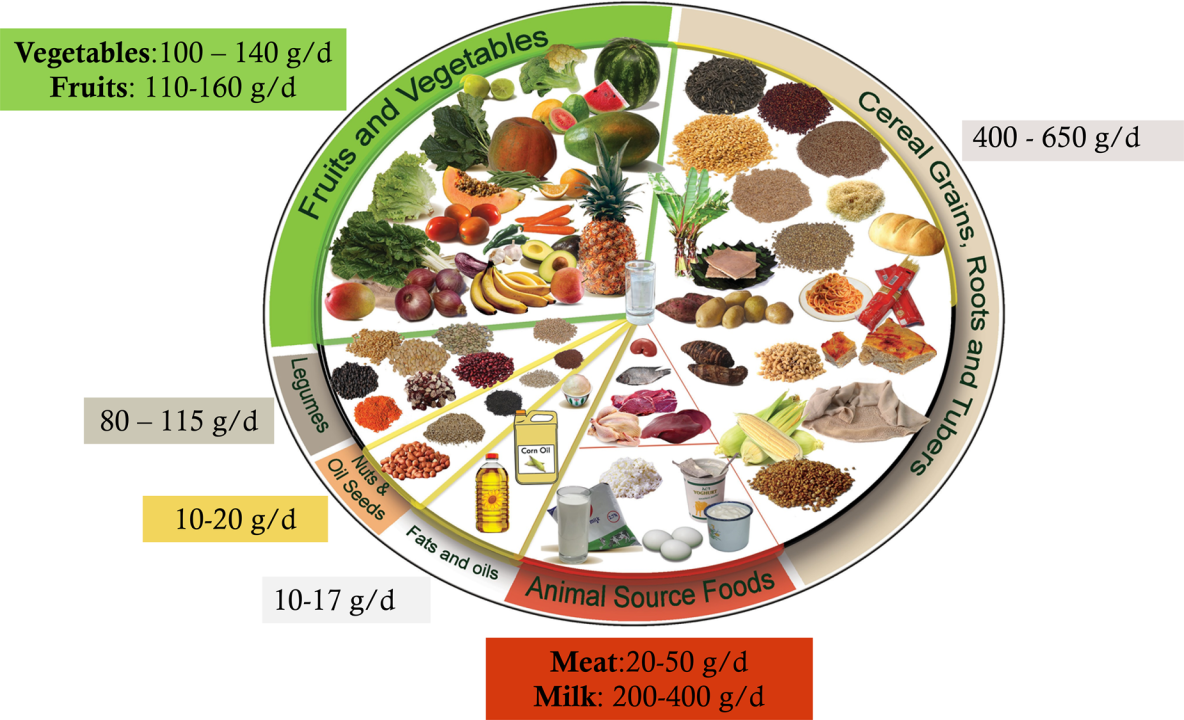
Maintaining a strong immune system is essential for overall health, preventing infections, and supporting faster recovery when illness occurs. Nutrition plays a vital role in boosting immunity naturally, as the foods we consume provide the vitamins, minerals, antioxidants, and macronutrients necessary for optimal immune function. A well-balanced diet rich in nutrient-dense whole foods enhances the body’s ability to fight off pathogens, reduce inflammation, and repair damaged cells. Incorporating immunity-boosting foods into daily meals, along with healthy eating habits, can help strengthen the immune system effectively and sustainably. By understanding the connection between diet and immune health, you can create a nutrient-rich eating plan that promotes wellness year-round and protects your body against illness naturally.
Understanding the Immune System and Nutrition
The immune system is a complex network of cells, tissues, and organs that work together to defend the body against harmful pathogens, viruses, bacteria, and toxins. Key components of the immune system include white blood cells, antibodies, lymph nodes, the spleen, and bone marrow, all of which rely on proper nutrition to function optimally. Micronutrients such as vitamin C, vitamin D, zinc, selenium, and iron support the production and activity of immune cells, while antioxidants from fruits, vegetables, and whole grains help neutralize free radicals and reduce oxidative stress, which can impair immune function. Protein provides the building blocks for antibodies and immune signaling molecules, and healthy fats aid in the absorption of fat-soluble vitamins critical for immune health. Ensuring adequate intake of these nutrients through diet is the first step toward naturally boosting immunity.
Macronutrients and Their Role in Immunity
Macronutrients, including protein, fats, and carbohydrates, play critical roles in maintaining a strong immune system. Protein is essential for building antibodies, cytokines, and immune cells, making sources such as lean meats, poultry, fish, eggs, legumes, nuts, and seeds vital for immunity. Healthy fats, particularly omega-3 fatty acids and monounsaturated fats, reduce inflammation and support cell membrane integrity, which is crucial for immune response. Fatty fish, flaxseeds, chia seeds, walnuts, and olive oil are excellent sources. Carbohydrates provide energy for immune cells and support gut microbiota health, which is closely linked to immunity. Complex carbohydrates from whole grains, fruits, and vegetables provide fiber, improve digestion, and ensure the body has enough energy to maintain optimal immune function.
Key Vitamins for Boosting Immunity
Certain vitamins are essential for enhancing immune health naturally. Vitamin C is crucial for the growth and function of immune cells and acts as a powerful antioxidant that protects against oxidative damage, and it is abundant in citrus fruits, kiwi, strawberries, bell peppers, and broccoli. Vitamin D regulates immune response and reduces inflammation, with sources including sunlight exposure, fatty fish, fortified dairy, and egg yolks. Vitamin A supports the integrity of skin and mucous membranes, the body’s first barrier against infection, and is found in carrots, sweet potatoes, spinach, and kale. Vitamin E acts as an antioxidant protecting immune cells, and B vitamins like B6, B12, and folate are involved in the production and function of immune cells, sourced from poultry, eggs, fortified cereals, legumes, and leafy greens. Regular intake of these vitamins through diet or supplementation ensures the immune system functions efficiently and can respond effectively to pathogens.
Essential Minerals for Immune Function
Minerals such as zinc, selenium, iron, and magnesium are equally important for immunity. Zinc supports the development and activation of immune cells, particularly T-lymphocytes, and can be obtained from oysters, beef, pumpkin seeds, and lentils. Selenium enhances antioxidant defense and immune cell function, and sources include Brazil nuts, fish, eggs, and mushrooms. Iron is critical for transporting oxygen to immune cells and supporting energy metabolism, with lean meats, legumes, spinach, and fortified cereals providing adequate amounts. Magnesium supports enzymatic reactions involved in immune regulation and is found in nuts, seeds, whole grains, and leafy vegetables. A diet rich in these minerals strengthens the immune system, improves overall health, and reduces susceptibility to illness.
Antioxidants and Phytochemicals
Antioxidants and phytochemicals help neutralize free radicals, reduce inflammation, and enhance immune defense. Colorful fruits and vegetables, such as berries, tomatoes, leafy greens, cruciferous vegetables, and citrus fruits, are rich in flavonoids, carotenoids, and polyphenols that naturally support immunity. Green tea contains catechins, which have antiviral and antibacterial properties, while spices such as turmeric, ginger, garlic, and cinnamon provide bioactive compounds that strengthen immune responses. Incorporating these foods and spices regularly into meals not only boosts immunity but also adds flavor, variety, and enjoyment to your diet.
Gut Health and Immunity
The gut microbiome is closely linked to immune health, as a large portion of the immune system resides in the gastrointestinal tract. Consuming probiotic-rich foods like yogurt, kefir, kimchi, sauerkraut, miso, and tempeh supports a healthy gut microbiota. Prebiotic foods such as garlic, onions, asparagus, bananas, and whole grains feed beneficial bacteria, promoting a balanced gut environment that enhances immune responses. A healthy gut improves nutrient absorption and reduces systemic inflammation, both of which contribute to a stronger immune system. Focusing on gut-friendly foods is a natural and effective way to boost immunity over time.
Hydration and Immune Health
Proper hydration is essential for immune function, as it supports the transport of nutrients, removal of toxins, and maintenance of mucous membranes, which act as barriers to infection. Drinking water regularly, herbal teas, and consuming water-rich foods like cucumbers, watermelon, oranges, and celery help maintain optimal hydration. Limiting sugary beverages and excessive caffeine intake prevents dehydration, reduces inflammation, and supports the immune system. Staying hydrated is a simple yet powerful strategy for enhancing immunity naturally.
Daily Meal Planning for Immune Support
A nutrient-dense meal plan ensures the body receives essential vitamins, minerals, protein, and antioxidants to support immunity. Breakfast options can include Greek yogurt with berries, chia seeds, and honey, scrambled eggs with spinach and tomatoes, or oatmeal topped with nuts and fruit. Mid-morning snacks may consist of citrus fruits, almonds, or carrot sticks with hummus. For lunch, grilled salmon with quinoa and steamed broccoli, lentil soup with leafy greens, or chicken salad with colorful vegetables and olive oil dressing are excellent choices. Afternoon snacks can include a kefir smoothie with berries and flaxseeds or whole-grain crackers with avocado. Dinner options may feature stir-fried tofu or chicken with mixed vegetables and brown rice, baked sweet potato with roasted vegetables, or grilled fish with spinach salad. Optional evening snacks like herbal tea with a few nuts or a small fruit salad support hydration and provide additional antioxidants.
Lifestyle Factors That Complement Nutrition
Nutrition alone is not sufficient for optimal immune health. Sleep is essential for immune regulation and recovery, with adults needing 7–9 hours and children requiring more. Moderate exercise improves circulation, reduces inflammation, and enhances immune cell function. Stress management techniques such as mindfulness, meditation, and yoga help prevent chronic stress, which can impair immune function. Avoiding harmful habits, including excessive alcohol consumption, smoking, and high-sugar diets, further supports natural immunity. Combining these lifestyle factors with proper nutrition maximizes the body’s ability to fight infections and maintain long-term health.
Practical Tips for Boosting Immunity Naturally
To boost immunity naturally, it is important to include a variety of colorful fruits and vegetables at every meal. Combining protein sources with antioxidant-rich foods enhances immune response, while incorporating healthy fats supports hormone regulation and nutrient absorption. Consuming fermented foods regularly improves gut health, which is closely tied to immunity. Limiting highly processed foods, refined sugar, and unhealthy fats ensures the immune system functions efficiently. Using spices such as turmeric, garlic, and ginger adds both flavor and immune-boosting benefits. Planning meals ahead ensures a consistent intake of immunity-supporting nutrients, and staying hydrated is essential for overall immune function.
Immune-Boosting Recipes and Ideas
Incorporating immune-boosting recipes into your daily routine can make eating for immunity enjoyable and sustainable. A vitamin C smoothie made from orange, kiwi, spinach, and coconut water provides a refreshing start to the day. Garlic-turmeric chicken stir-fry with broccoli, bell peppers, and olive oil offers protein and anti-inflammatory compounds. Quinoa and veggie salad with tomatoes, cucumbers, chickpeas, and lemon-olive oil dressing is both nutritious and filling. A berry yogurt parfait layered with Greek yogurt, mixed berries, and flaxseeds makes a delicious snack. Miso soup with tofu and seaweed supports gut health, while sweet potato and lentil stew provides fiber, vitamins, and minerals. Green tea with lemon and ginger offers antioxidants and anti-inflammatory benefits. Regularly incorporating these recipes supports immunity naturally while keeping meals flavorful and satisfying.
Conclusion
Nutrition plays a central role in naturally boosting immunity, and a balanced, nutrient-dense diet can significantly enhance the body’s ability to fight infections, reduce inflammation, and maintain overall wellness. By focusing on high-quality protein, colorful fruits and vegetables, whole grains, healthy fats, probiotics, and antioxidants, individuals can strengthen their immune system effectively. Daily meal planning, proper hydration, and complementary lifestyle factors such as adequate sleep, moderate exercise, stress management, and avoidance of harmful habits further enhance immune function. Incorporating practical immune-boosting recipes, balanced meals, and creative meal planning ensures a consistent intake of essential nutrients while making healthy eating enjoyable. Adopting these nutrition tips for boosting immunity naturally helps maintain a resilient immune system, promotes long-term wellness, and supports overall health year-round.