
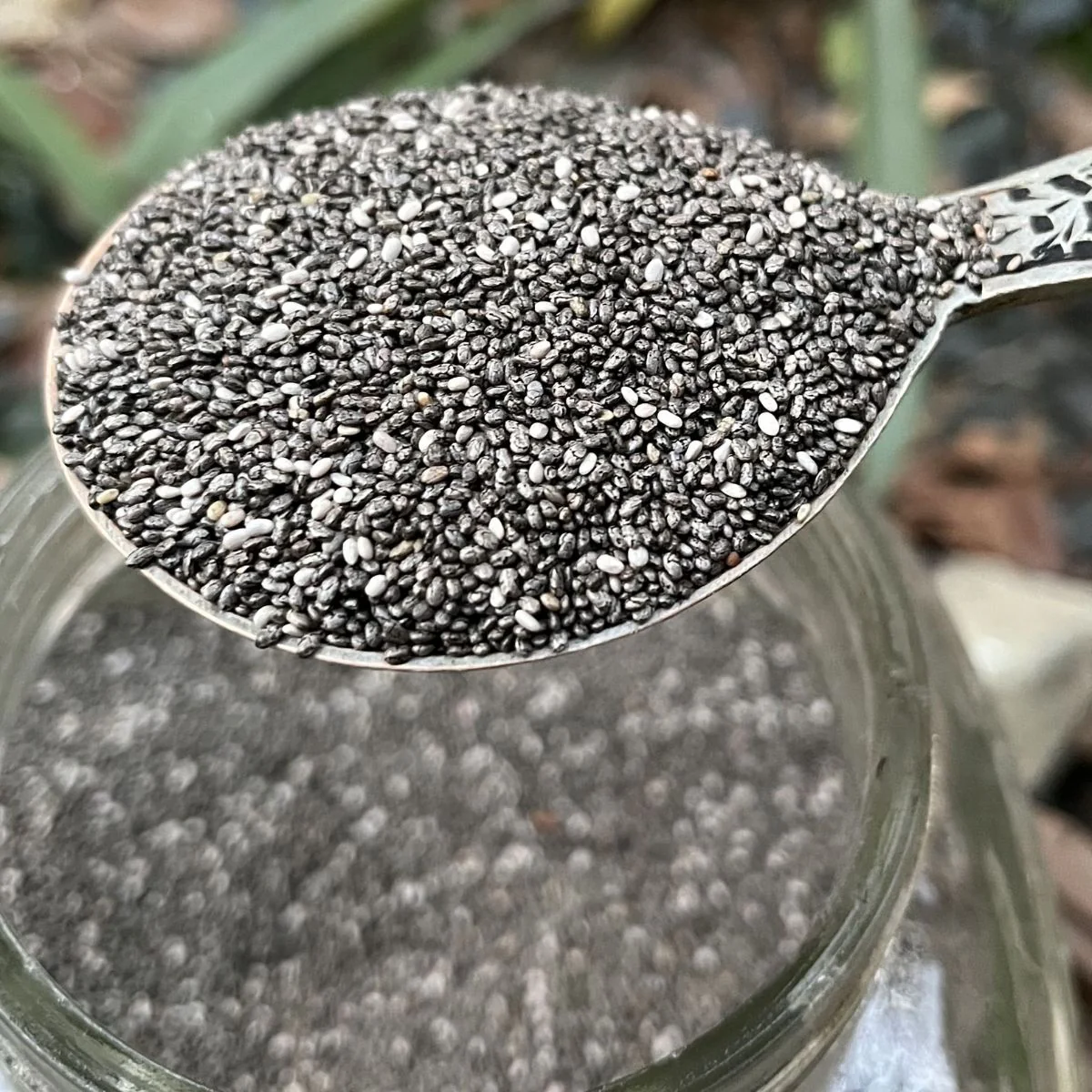
Chia seeds have gained popularity as a superfood due to their impressive nutritional profile, versatility, and numerous health benefits. These tiny seeds, derived from the Salvia hispanica plant, have been consumed for centuries for their energy-boosting and nutrient-dense properties. Rich in omega-3 fatty acids, fiber, protein, antioxidants, vitamins, and minerals, chia seeds are ideal for supporting heart health, digestion, weight management, and overall wellness. Understanding chia seeds’ nutrition facts and exploring easy ways to use them in daily meals allows you to harness their full potential. This comprehensive guide covers chia seeds’ nutritional composition, health benefits, preparation methods, recipe ideas, and practical tips for incorporating chia seeds into your diet.
Nutritional Facts of Chia Seeds
Chia seeds are nutrient-dense despite their small size. A typical serving of chia seeds, around 28 grams (about two tablespoons), contains approximately 138 calories, 4 grams of protein, 9 grams of fat (mostly healthy omega-3 fatty acids), 12 grams of carbohydrates, and 11 grams of fiber. They are rich in minerals such as calcium, magnesium, phosphorus, manganese, and trace amounts of zinc and iron. Chia seeds also contain antioxidants that help protect the body against oxidative stress. They are naturally gluten-free, low in sodium, and contain no cholesterol, making them a heart-healthy and diet-friendly addition. The high fiber and protein content contribute to satiety, stabilize blood sugar levels, and support digestive health.
Health Benefits of Chia Seeds
Chia seeds offer a wide range of health benefits due to their unique nutrient profile. The omega-3 fatty acids, particularly alpha-linolenic acid (ALA), support heart health, reduce inflammation, and may improve brain function. The soluble fiber in chia seeds helps regulate digestion, maintain bowel regularity, and promote satiety, aiding weight management and preventing overeating. High antioxidant content protects cells from damage caused by free radicals, potentially reducing the risk of chronic diseases. Chia seeds also provide minerals essential for bone health, such as calcium, magnesium, and phosphorus. Including chia seeds in the diet supports energy levels, metabolism, and overall wellness, making them a valuable component of a balanced diet.
Types of Chia Seeds
Chia seeds are available in black and white varieties, which are nutritionally similar and interchangeable in recipes. They are sold as whole seeds, ground chia (chia flour), or chia gel, which is made by soaking seeds in water to form a gel-like consistency. Ground chia seeds are easier to digest and allow for better absorption of nutrients, particularly omega-3 fatty acids. Whole chia seeds retain their texture and are ideal for sprinkling over foods or making puddings. Choosing the right type depends on your preference, recipe requirements, and desired nutrient absorption.
How to Prepare Chia Seeds
Chia seeds are incredibly versatile and require minimal preparation. They can be consumed raw, soaked, or ground depending on the desired use. Soaking chia seeds in water, almond milk, or juice for 10–30 minutes creates a gel that can be used in puddings, smoothies, or as an egg substitute in baking. Grinding chia seeds before adding them to recipes improves nutrient absorption. Toasting chia seeds lightly enhances their nutty flavor, making them perfect for sprinkling over salads or oatmeal. Preparing chia seeds appropriately ensures optimal digestion, nutrient utilization, and taste.
Easy Ways to Incorporate Chia Seeds Into Breakfast
Breakfast is an ideal time to include chia seeds due to their fiber and protein content, which provide sustained energy. Chia pudding made with chia seeds, almond milk, and fruits is a nutrient-dense, filling option. Sprinkling chia seeds over oatmeal, yogurt, or smoothie bowls adds texture, protein, and healthy fats. Mixing chia seeds into pancake or waffle batter boosts nutritional value without altering flavor. Adding chia seeds to nut butter spreads or overnight oats enhances satiety and ensures a balanced breakfast rich in essential nutrients.
Chia Seeds in Lunch and Dinner Recipes
Chia seeds can be added to lunch and dinner meals to increase fiber, protein, and omega-3 intake. Sprinkling chia seeds over salads or grain bowls adds crunch and nutrition. Incorporating chia seeds into soups, stews, or sauces thickens texture and provides additional nutrients. Using chia seeds as a coating for baked or grilled chicken, fish, or tofu enhances flavor and boosts the nutritional profile. Mixing chia seeds into rice, quinoa, or couscous dishes adds subtle nuttiness and improves satiety, supporting weight management and balanced nutrition.
Chia Seeds for Snacks and Smoothies
Chia seeds are perfect for quick, healthy snacks and beverages. Energy balls or protein bites made with chia seeds, oats, nut butter, and dried fruits are portable, satisfying, and nutrient-dense. Adding chia seeds to smoothies or protein shakes increases fiber, protein, and omega-3 content, creating a filling and energizing drink. Chia seeds can also be added to homemade granola bars, trail mixes, or yogurt parfaits, providing crunch, nutrition, and sustained energy between meals.
Chia Seeds in Baking
Chia seeds are a versatile ingredient in baking, often used as an egg substitute or to add texture and nutrition. To replace one egg, mix one tablespoon of chia seeds with three tablespoons of water and allow it to gel for 10–15 minutes. Incorporating chia seeds into muffins, bread, cookies, and cakes increases fiber, protein, and healthy fats. Adding ground chia seeds to flour blends enhances the nutritional profile without affecting taste. Chia seeds in baking create moist textures and subtle nutty flavors, making them ideal for health-conscious baked goods.
Chia Gel and Its Uses
Chia gel is made by soaking chia seeds in water or milk until they form a thick, jelly-like consistency. Chia gel is easy to digest and can be used as a base for puddings, sauces, dressings, or smoothies. It can also be used as an egg replacement in vegan baking. Chia gel thickens soups and stews naturally, adding fiber and protein without altering flavor. Preparing chia gel in advance allows for quick incorporation into a variety of recipes, making it a convenient and versatile pantry staple.
Portion Recommendations and Tips
Despite their health benefits, chia seeds are calorie-dense due to their fat content, so moderation is important. A typical serving is 1–2 tablespoons (10–28 grams) per day. Excessive intake may cause digestive discomfort due to high fiber content. Gradually increasing chia seed intake and consuming them with adequate fluids prevents bloating or constipation. Combining chia seeds with other nutrient-dense foods maximizes their health benefits while maintaining balanced calorie intake.
Storing Chia Seeds
Chia seeds are shelf-stable but should be stored properly to maintain freshness and nutritional value. Keep them in an airtight container in a cool, dry place away from direct sunlight. Ground chia seeds or chia gel should be stored in the refrigerator and consumed within a few days to prevent oxidation. Proper storage ensures that chia seeds retain their flavor, texture, and nutrient content for maximum health benefits.
Health Benefits in Weight Management
Chia seeds are particularly beneficial for weight management due to their high fiber and protein content. The soluble fiber in chia seeds absorbs water, expands in the stomach, and promotes a feeling of fullness, reducing overall calorie intake. Protein in chia seeds supports muscle preservation and increases the thermic effect of food, which slightly boosts metabolism. Regular consumption of chia seeds may help reduce cravings, support fat loss, and maintain energy levels throughout the day.
Heart Health and Blood Sugar Regulation
Omega-3 fatty acids in chia seeds contribute to heart health by reducing inflammation, lowering triglyceride levels, and supporting healthy cholesterol profiles. Fiber in chia seeds helps regulate blood sugar by slowing carbohydrate absorption and preventing spikes in glucose levels. These combined effects make chia seeds beneficial for cardiovascular health and diabetes management, in addition to supporting weight management and overall wellness.
Anti-Inflammatory and Antioxidant Properties
Chia seeds contain antioxidants such as chlorogenic acid, caffeic acid, and quercetin, which protect the body from oxidative stress and inflammation. Chronic inflammation is linked to obesity, cardiovascular disease, and other metabolic disorders. Regular inclusion of chia seeds in the diet may help reduce inflammation, support immune function, and protect against chronic disease development. Their antioxidant content also helps maintain healthy skin and cellular function.
Practical Tips for Incorporating Chia Seeds Daily
Incorporating chia seeds into your diet is easy and flexible. Add a tablespoon to your morning smoothie, sprinkle over yogurt or oatmeal, mix into baked goods, or use chia gel in puddings and sauces. Chia seeds can also be used as a thickening agent for soups and stews. For busy individuals, pre-soaking chia seeds or preparing chia gel in advance saves time and ensures easy access for meals. Combining chia seeds with a variety of nutrient-dense foods maximizes their health benefits and makes them a versatile ingredient for daily nutrition.
Conclusion
Chia seeds are a nutrient-dense superfood that provides numerous health benefits, including heart support, improved digestion, weight management, and anti-inflammatory effects. Their impressive nutritional profile includes omega-3 fatty acids, fiber, protein, antioxidants, vitamins, and minerals, making them a valuable addition to any diet. Easy to prepare and versatile, chia seeds can be incorporated into breakfast, lunch, dinner, snacks, smoothies, and baked goods.
Understanding chia seeds’ nutrition facts, proper preparation methods, and practical tips for use allows individuals to maximize their benefits. Incorporating chia seeds into daily meals supports overall wellness, promotes healthy digestion, stabilizes energy levels, aids in fat loss, and contributes to long-term health, making them an essential ingredient for a balanced and nutrient-rich diet.