
We have all been there. It is three o’clock in the afternoon, your eyelids feel heavy, your focus has evaporated, and the blinking cursor on your screen seems to mock your sluggish brain. You reach for another coffee or maybe a sugary snack from the vending machine, hoping for a quick rescue. But the relief, if it comes at all, is fleeting, leaving you deeper in the fog than before. The truth is, what you eat does not just fuel your body; it directly powers your brain, stabilizes your mood, and dictates the consistency of your energy levels. This is your comprehensive guide to understanding the profound connection between nutrition and productivity, and how to make food choices that keep you sharp, focused, and energized from morning until night.
The Mind-Body Connection: Your Brain is the Engine
To understand how to eat for energy, we must first understand what we are fueling. As performance dietitian Conrad Goodhew aptly puts it, “Your engine is actually your mind, and your mind drives the body” . Optimal performance, whether in the office, at the gym, or at home, thrives on a holistic approach that addresses both mental and physical needs. When you feel mentally sharp and energized, your physical capabilities are enhanced. Conversely, poor nutrition can lead to fatigue, decreased motivation, and brain fog . The food you eat is the fuel for this engine, and the quality of that fuel determines how smoothly it runs.
This connection is a two-way street. Chronic stress and poor sleep, for instance, can wreak havoc on your digestive system, switching it off and leading to nutrient deficiencies that further exacerbate fatigue . Therefore, a holistic approach to energy must consider not just the food on your plate, but also the lifestyle factors that affect how your body processes that food . By prioritizing whole foods, managing stress, and ensuring adequate sleep, we can fuel our bodies and minds for optimal performance .
Understanding Sustained Energy
Sustained energy is more than simply feeling not tired. It is a state of physical and mental well-being characterized by prolonged feelings of vitality, focus, and stamina . Unlike quick energy bursts followed by crashes, sustained energy is there when you need it and keeps you from feeling drained . It encompasses both physical energy, which includes muscular endurance and metabolic performance, and mental energy, which covers concentration, creative problem-solving, and decision-making clarity . The adage you are what you eat is profoundly true. Our food choices play a major role in our ability to function optimally in both of these dimensions .
The Building Blocks of an Energy-Boosting Diet
Not all calories are created equal when it comes to fueling your day. Some foods provide a slow-burning, steady supply of energy, while others create a rapid spike followed by a crashing low. The key to sustained energy lies in understanding and prioritizing the right macronutrients and micronutrients.
Complex carbohydrates are the body and brain’s preferred energy source, but the quality of the carbohydrate makes a significant difference . Complex carbohydrates, particularly those rich in fiber, are the champions of sustained energy . They are more difficult for your body to break down and absorb, which is ideal for maintaining a steady energy supply . This slow-burning process helps regulate blood sugar levels, preventing the rapid spikes and crashes associated with their simpler counterparts .
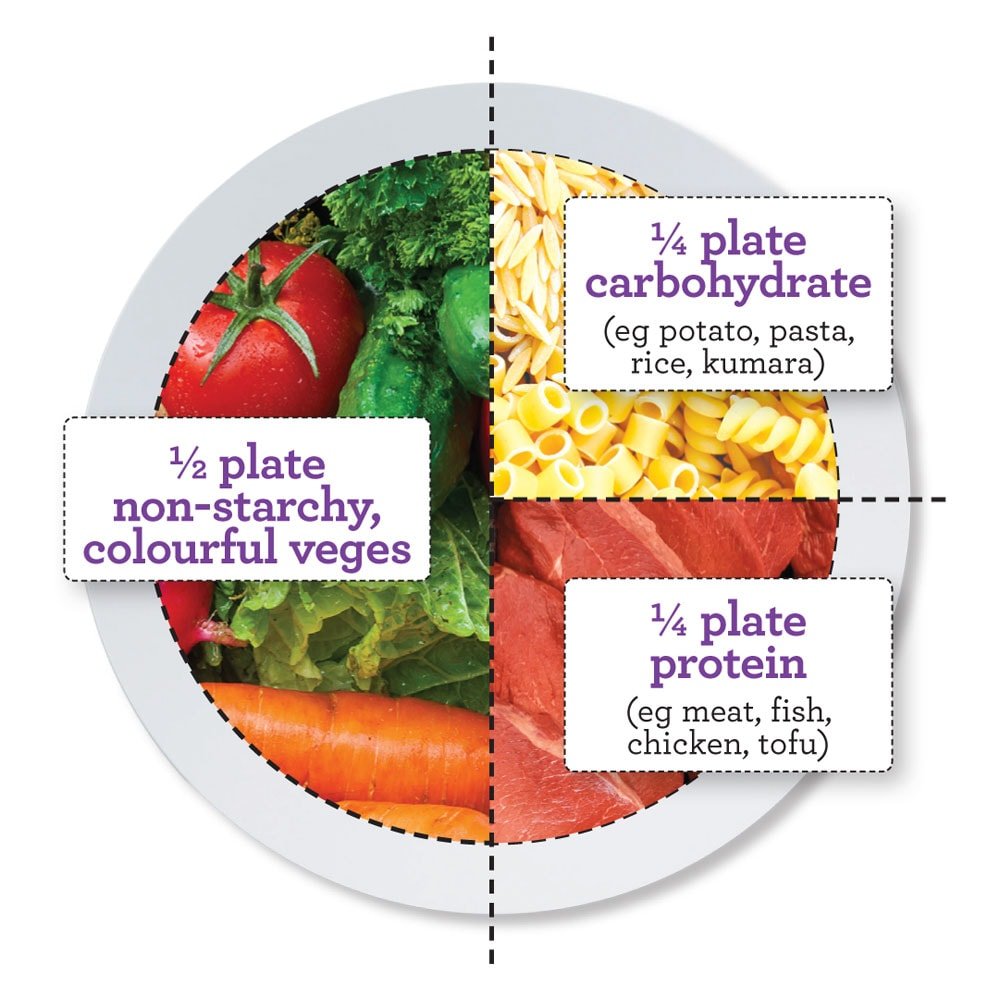
Excellent sources of complex carbohydrates include whole grains like brown rice, quinoa, oats, and barley, legumes such as beans and lentils, starchy vegetables like sweet potatoes and corn, and fruits including apples, bananas, and pears . A simple way to visualize a balanced plate is to fill half with vegetables and fruits, a quarter with whole grains, and a quarter with lean protein . This model ensures you are getting a mix of slow-burning carbs, fiber, and other essential nutrients.
Protein is not just for building muscle; it is a critical regulator of energy metabolism. Protein takes more energy to digest than carbohydrates, which helps you feel full for a longer period and slows down the digestive process, further contributing to stable blood sugar levels . It also helps convert other nutrients into usable energy and is fundamental to neurological function, directly influencing mental energy and cognitive ability .
The key is to choose lean proteins, as processing proteins higher in fat content can force your body to work extra hard, potentially leaving you feeling drowsy . Excellent lean protein sources include skinless chicken or turkey, fish like salmon and cod, eggs, Greek yogurt, and plant-based options like beans, lentils, tofu, and tempeh .
Healthy fats are another dynamic contributor to energy production. As the most energy-dense nutrient, fats are digested slowly, providing a concentrated, slow-burning fuel source that offers extended energy and helps prevent blood sugar spikes . Fats are also essential for absorbing fat-soluble nutrients like vitamins A, D, E, and K, and they play a crucial role in hormone production, which influences metabolism and stress response . Omega-3 fatty acids, in particular, have been shown to reduce inflammation, support brain health, and optimize metabolic function . You can find healthy fats in avocados, nuts and seeds, olives and olive oil, and fatty fish like salmon, sardines, and mackerel .
While macronutrients provide the primary energy sources, micronutrients are the essential catalysts and regulators in the body’s energy production processes . They facilitate countless biochemical reactions that transform the food you eat into usable energy for your cells. B vitamins, found in leafy greens, poultry, fish, nuts, and avocados, are critical energy metabolism facilitators, supporting cell function and helping prevent energy depletion . Iron is crucial for transporting oxygen throughout the body; without adequate iron, the body struggles to deliver oxygen to cells, leading to fatigue and reduced cognitive function . Good sources of iron include red meat, poultry, fish, dark leafy greens, and legumes . Magnesium plays a pivotal role in muscle and nerve function and helps regulate energy production, with optimal levels being associated with improved exercise performance and reduced muscle fatigue . You can find magnesium in leafy greens, nuts and seeds, legumes, and bananas .
The Power of Specific Superfoods
Beyond the core building blocks, certain foods stand out for their exceptional nutrient density and specific benefits for energy and focus. These are often called superfoods, and incorporating them into your diet can give you an extra edge.
Blueberries are packed with antioxidants that combat oxidative stress and improve cognitive function, with studies suggesting they can enhance memory . They are also a great source of fiber, contributing to steady energy release . Avocados are loaded with healthy monounsaturated fats that support sustained energy and brain health, and they also promote healthy blood flow to aid with heightened focus . Dark chocolate with at least seventy percent cocoa is a surprising but powerful brain food. It contains flavonoids, which have the potential to boost attention and lower stress levels, along with a small amount of caffeine for a gentle lift . Fatty fish like salmon, mackerel, and sardines are unmatched for their high concentration of omega-3 fatty acids, which are essential for brain health, improving memory, focus, and overall cognitive function . Leafy greens such as spinach and kale are high in iron, folate, and magnesium, all of which can combat mental fatigue and improve clarity . Seeds like pumpkin, chia, and flaxseeds are excellent sources of magnesium, which helps regulate the body’s stress response, and omega-3s, which support brain function . Nuts, particularly walnuts and almonds, provide a handy source of healthy fats, protein, and magnesium, offering steady energy without the sugar crash .
Smart Habits for an Energized Day
Knowing what to eat is only half the battle. How and when you eat also plays a crucial role in maintaining steady energy levels. Eating regularly and balancing your plate is essential. Aim to have a meal or snack every three to four hours to avoid energy crashes . Each of these should ideally include a mix of complex carbohydrates, lean protein, and healthy fats . This consistent fueling prevents your blood sugar from dipping too low and keeps your metabolic engine running smoothly. Packing smart snacks is a proactive way to avoid the temptation of processed, high-sugar options when hunger strikes mid-afternoon . Keep wholesome options like trail mix, fruit, Greek yogurt, hummus with veggies, or a small handful of nuts and seeds within reach at your desk or in your bag . Good options include roasted makhana, which is rich in calcium and helps maintain blood sugar balance, or yogurt with flaxseeds for a probiotic and omega-3 boost .
Staying hydrated is often overlooked but is absolutely fundamental to maintaining energy levels. Even mild dehydration can cause feelings of fatigue, as low fluid levels force your heart to work harder, slowly sapping your energy . Good hydration supports focus, digestion, and natural energy levels . A general guideline is to aim for around nine cups of water for women and thirteen cups for men daily, but this can vary based on activity level and climate . A practical approach is to drink to thirst, consuming fluids when you feel thirsty, and to stay hydrated gradually throughout the day rather than consuming large amounts at once .
Smart beverage choices can also support your energy goals. Green tea or matcha tea is a smart alternative to sugary teas and coffee breaks, as it is rich in antioxidants called catechins that improve focus and metabolism, and it contains L-theanine, an amino acid that provides a calm, sustained alertness without the jittery crash associated with some other caffeinated drinks . Finally, planning ahead can be a game-changer. Spending a few minutes prepping simple meals or snacks on a Sunday afternoon ensures healthy choices are easy, even on the busiest days . Small acts of preparation now can save you from the stress and energy-drain of unhealthy takeout later.
The Energy Saboteurs: Foods and Drinks to Avoid
Just as important as knowing what to put into your body is knowing what to avoid. Several common dietary choices are notorious for sabotaging energy levels. Simple carbohydrates and sugars are the primary culprits behind the dreaded energy crash. Foods like white bread, white pasta, sugary cereals, pastries, candy, and syrupy-sweet sodas are quickly broken down by the body, causing a rapid elevation in blood sugar followed by a sharp plummet that leaves you feeling drowsy and fatigued . While they offer a quick burst, the aftermath is a net loss in energy and focus. This same principle applies to refined grains, which have been stripped of the fiber and nutritional heft that slow down digestion .
Caffeine, while a popular tool for a quick jolt, has a significant downside. A crash often follows a caffeine-induced energy spike, and excessive sleepiness can be a byproduct once the effect wears off . Furthermore, caffeine can make sleeping more difficult, particularly if consumed later in the day, which can eventually take a toll on your overall energy levels . The key is moderation, using caffeine for an occasional boost rather than relying on it as a primary energy source .
Alcohol is another potent energy zapper. It acts as a depressant, slowing down brain activity and bringing a sedative effect that can leave you feeling lethargic . It also interferes with sleep quality and robs your body of essential nutrients, none of which is ideal for feeling bright-eyed and energized the next day . It is also wise to be wary of processed and fried foods, which are often high in trans fats and additives that can trigger inflammation in the body, potentially slowing thinking and contributing to long-term cognitive issues .
Beyond the Plate: Lifestyle Factors for Optimal Energy
Nutrition, while fundamental, is just one piece of the energy puzzle. Your lifestyle choices play an equally important role. Sleep is non-negotiable. It is during sleep that your body repairs and regenerates, and your brain consolidates memories. Sleep deprivation significantly impairs cognitive function, leading to difficulty concentrating and decreased alertness . Prioritizing seven to nine hours of quality, uninterrupted sleep is a must . Routine and regularity are also important, as you cannot truly bank or catch up on sleep .
Stress management is another critical factor. During stressful situations, our bodies activate the fight-or-flight response, releasing hormones like cortisol, which can disrupt digestion, impair sleep, and, over time, wear down our bodies and hinder our ability to perform at our best . Chronic stress is a hidden drain on your energy reserves. Incorporating mindfulness practices, such as meditation or simply taking short, mindful breaks to step away and recharge, can help regulate emotional responses and reduce physiological stress .
Finally, regular physical activity can actually give you more energy. Both cardiovascular exercise and strength training are essential for overall physical and mental wellbeing, helping you feel more energized rather than depleted . A balanced approach to physical activity supports overall vitality, but it is important to listen to your body’s signals and avoid over-exercising, which can lead to decreased energy levels .
Your Game Plan for Lasting Energy
Fueling your potential is not about perfection or restrictive dieting. It is about making small, intentional choices that collectively add up to better energy, sharper focus, and greater productivity. Start by building your meals around a foundation of complex carbohydrates, lean proteins, and healthy fats. Keep energizing snacks like nuts, seeds, and fruit at your desk to ward off the afternoon slump. Swap out sugary drinks for water or green tea, and be mindful of how caffeine and alcohol affect your sleep and energy cycles.