
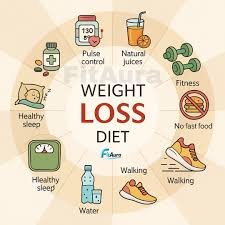
Maintaining a healthy weight is essential for overall well-being, energy levels, and long-term health. While eating nutrient-dense foods is important for weight management, it is equally critical to understand which foods can hinder progress and make it difficult to achieve or maintain a healthy weight. Certain processed, high-calorie, and nutrient-poor foods contribute to weight gain, increased fat accumulation, poor metabolic function, and cravings that sabotage dietary goals.
Avoiding or limiting these foods can improve weight control, enhance energy balance, and support overall metabolic health. This comprehensive guide explores the types of foods to avoid for better weight control, the science behind why these foods affect body weight, healthier alternatives, practical strategies for meal planning, and lifestyle habits that complement smart eating choices. By learning which foods hinder weight management and how to replace them with healthier options, individuals can take actionable steps to achieve sustainable weight control and improve overall health.
Understanding Weight Control and Nutrition
Weight control involves balancing energy intake with energy expenditure while prioritizing nutrient quality. Foods high in added sugars, refined carbohydrates, trans fats, and unhealthy oils can disrupt this balance by contributing excess calories without providing satiety or essential nutrients. Overconsumption of these foods can lead to insulin resistance, hormonal imbalances, fat storage, and increased appetite, making weight management more challenging. On the other hand, nutrient-dense foods like vegetables, fruits, lean proteins, whole grains, and healthy fats support metabolism, enhance satiety, and provide essential vitamins and minerals for overall health. Understanding the impact of specific foods on weight and metabolism is key to making informed dietary choices that support long-term weight control.
Foods High in Added Sugar
Foods high in added sugar are among the top culprits for weight gain and poor weight control. Sugar-sweetened beverages such as soda, energy drinks, and sweetened teas contribute large amounts of calories without providing nutrients or satiety. Candy, pastries, baked goods, and desserts also contain excessive sugar, which can spike blood glucose levels, trigger insulin release, and promote fat storage. High sugar intake is linked to increased cravings, overeating, and a higher risk of obesity and metabolic disorders. To support weight control, it is important to reduce added sugar in the diet and replace sugary treats with fruits, naturally sweetened snacks, or yogurt with berries.
Refined Carbohydrates
Refined carbohydrates, including white bread, white rice, pastries, and many packaged snacks, are stripped of fiber and nutrients during processing. These foods have a high glycemic index, which causes rapid spikes in blood sugar followed by crashes, leading to increased hunger and overeating. Frequent consumption of refined carbohydrates can contribute to weight gain, increased abdominal fat, and insulin resistance. Whole-grain alternatives such as oats, quinoa, brown rice, whole wheat bread, and barley provide fiber, stabilize blood sugar, and promote satiety, making them better choices for weight control.
Fried and Fast Foods
Fried foods and fast foods are typically high in unhealthy fats, refined carbohydrates, and calories, while low in nutrients. French fries, fried chicken, onion rings, and many fast-food sandwiches contribute to excessive calorie intake and fat accumulation. These foods often contain trans fats, which are linked to inflammation, heart disease, and poor metabolic function. Regular consumption of fried foods can hinder weight loss efforts and promote visceral fat storage. Baking, grilling, steaming, or air-frying foods are healthier preparation methods that preserve flavor while reducing unnecessary fat and calories.
Processed and Packaged Snacks
Packaged snacks such as chips, crackers, cookies, and instant noodles are convenient but typically contain refined flour, added sugars, sodium, and unhealthy fats. These processed foods are often calorie-dense, low in fiber, and minimally satiating, making it easy to overeat and consume excess calories. Frequent snacking on processed foods can disrupt hunger signals, increase cravings, and contribute to weight gain. Replacing packaged snacks with fruits, vegetables, nuts, seeds, or homemade snacks allows for better portion control, increased nutrient intake, and improved satiety.
Sugary Breakfast Cereals and Pastries
Sugary breakfast cereals, muffins, pastries, and donuts are common breakfast choices that can hinder weight control. These foods are high in added sugar, refined flour, and calories, leading to rapid blood sugar spikes and subsequent crashes, which increase hunger and snacking later in the day. Choosing high-fiber, protein-rich breakfasts such as oatmeal topped with fruit, Greek yogurt with nuts and berries, or whole-grain toast with avocado and eggs provides sustained energy, enhances satiety, and supports weight management throughout the day.
Sweetened Beverages and Alcohol
Sugary beverages, including soda, fruit juices with added sugar, energy drinks, and sweetened teas, contribute significant empty calories that do not satisfy hunger. Regular consumption can lead to fat accumulation, especially around the abdomen, and impair insulin sensitivity. Alcohol is also calorie-dense and can affect metabolism, increase appetite, and reduce inhibitions around overeating. To maintain better weight control, it is advisable to limit or avoid sugary beverages and alcohol, opting instead for water, herbal teas, black coffee, or naturally flavored water.
High-Sodium Foods
Excess sodium intake, commonly found in processed meats, canned soups, packaged snacks, and fast foods, can cause water retention, bloating, and increased blood pressure. While sodium does not directly cause weight gain from fat, it can create a feeling of heaviness and mask actual fat loss progress. Reducing sodium intake and choosing fresh, minimally processed foods helps improve weight control, reduces bloating, and supports overall cardiovascular health. Using herbs, spices, and citrus for flavor instead of salt can enhance taste while maintaining better health outcomes.
High-Fat and Trans Fat Foods
Foods high in saturated and trans fats, such as margarine, processed baked goods, fried foods, and certain snack foods, can contribute to weight gain and negatively affect heart health. Trans fats, in particular, promote inflammation, insulin resistance, and fat accumulation, especially in the abdominal region. Incorporating healthy fats from sources like olive oil, avocado, nuts, seeds, and fatty fish provides essential fatty acids while supporting weight management and heart health. Cooking methods that minimize added unhealthy fats are key for maintaining a healthy diet.
Liquid Calories and Hidden Sugars
Many people underestimate the calories consumed through drinks such as sweetened coffee, flavored lattes, milkshakes, smoothies with added sugar, and specialty beverages. These liquid calories can easily exceed the calories of a full meal without providing fullness, contributing to a positive energy balance and fat storage. Paying attention to beverage choices, reading labels, and opting for unsweetened drinks or homemade smoothies without added sugar can help control weight naturally.
Foods That Trigger Cravings
Highly palatable foods rich in sugar, fat, and salt can trigger cravings and overeating, making it difficult to maintain weight. Snacks like chocolate bars, chips, candy, and baked goods stimulate reward centers in the brain, increasing the likelihood of overconsumption. These foods disrupt appetite regulation and can lead to cycles of bingeing and guilt, which negatively impact weight control. Replacing these foods with satisfying alternatives such as fruit, nuts, or homemade treats helps manage cravings and maintain energy balance.
Tips for Avoiding Problematic Foods
- Plan meals ahead to reduce impulsive eating of processed foods.
- Read nutrition labels carefully to identify hidden sugars, trans fats, and sodium.
- Keep healthy snacks on hand, such as fruits, nuts, seeds, or yogurt.
- Cook at home using whole ingredients to control the quality of meals.
- Gradually reduce consumption of sugary, fried, and processed foods to minimize cravings.
- Drink water or herbal teas before meals to reduce appetite for high-calorie foods.
- Replace refined grains with whole grains, and fried foods with baked, grilled, or steamed alternatives.
- Focus on high-fiber, high-protein meals that promote fullness and reduce snacking.
Practical Meal Planning Strategies
Creating a meal plan that avoids problematic foods while incorporating nutrient-dense options is essential for sustainable weight control. Breakfast can include oatmeal with berries, chia seeds, and a handful of nuts, or scrambled eggs with spinach and whole-grain toast. Mid-morning snacks such as carrot sticks, cucumber slices, or Greek yogurt provide nutrients without added sugar. Lunch options include grilled chicken or tofu with quinoa, vegetables, and olive oil dressing, or lentil and vegetable soup with a side salad. Afternoon snacks can consist of fresh fruit, nuts, or a small portion of hummus with vegetable sticks. Dinner options such as baked salmon with roasted vegetables, stir-fried tofu with brown rice and broccoli, or turkey chili with beans offer satisfying, nutrient-rich meals. Preparing meals in advance and avoiding processed convenience foods ensures consistent adherence to a weight-friendly diet.
Lifestyle Habits to Complement Food Choices
In addition to avoiding certain foods, adopting healthy lifestyle habits supports weight control. Regular physical activity, including aerobic exercise and strength training, boosts metabolism, promotes fat loss, and preserves lean muscle mass. Adequate sleep regulates appetite hormones and reduces cravings for high-calorie foods. Stress management techniques such as meditation, yoga, or deep breathing can prevent emotional eating and promote mindful food choices. Staying hydrated supports metabolism and reduces unnecessary snacking, while mindful eating practices encourage portion control and better recognition of hunger and fullness cues.
Conclusion
Avoiding specific foods is a critical strategy for better weight control. Foods high in added sugar, refined carbohydrates, unhealthy fats, sodium, and processed ingredients contribute to weight gain, fat accumulation, cravings, and poor metabolic health. Sugary beverages, fried and fast foods, pastries, packaged snacks, and high-sodium products should be limited or replaced with nutrient-dense alternatives. Incorporating whole grains, fruits, vegetables, lean proteins, and healthy fats into daily meals supports metabolism, promotes satiety, and enhances overall well-being. Combined with regular physical activity, proper sleep, stress management, and mindful eating, avoiding problematic foods allows individuals to achieve sustainable weight control and maintain long-term health. By being intentional about food choices and reducing consumption of these common dietary pitfalls, it is possible to manage weight naturally, increase energy, and support overall health effectively.