
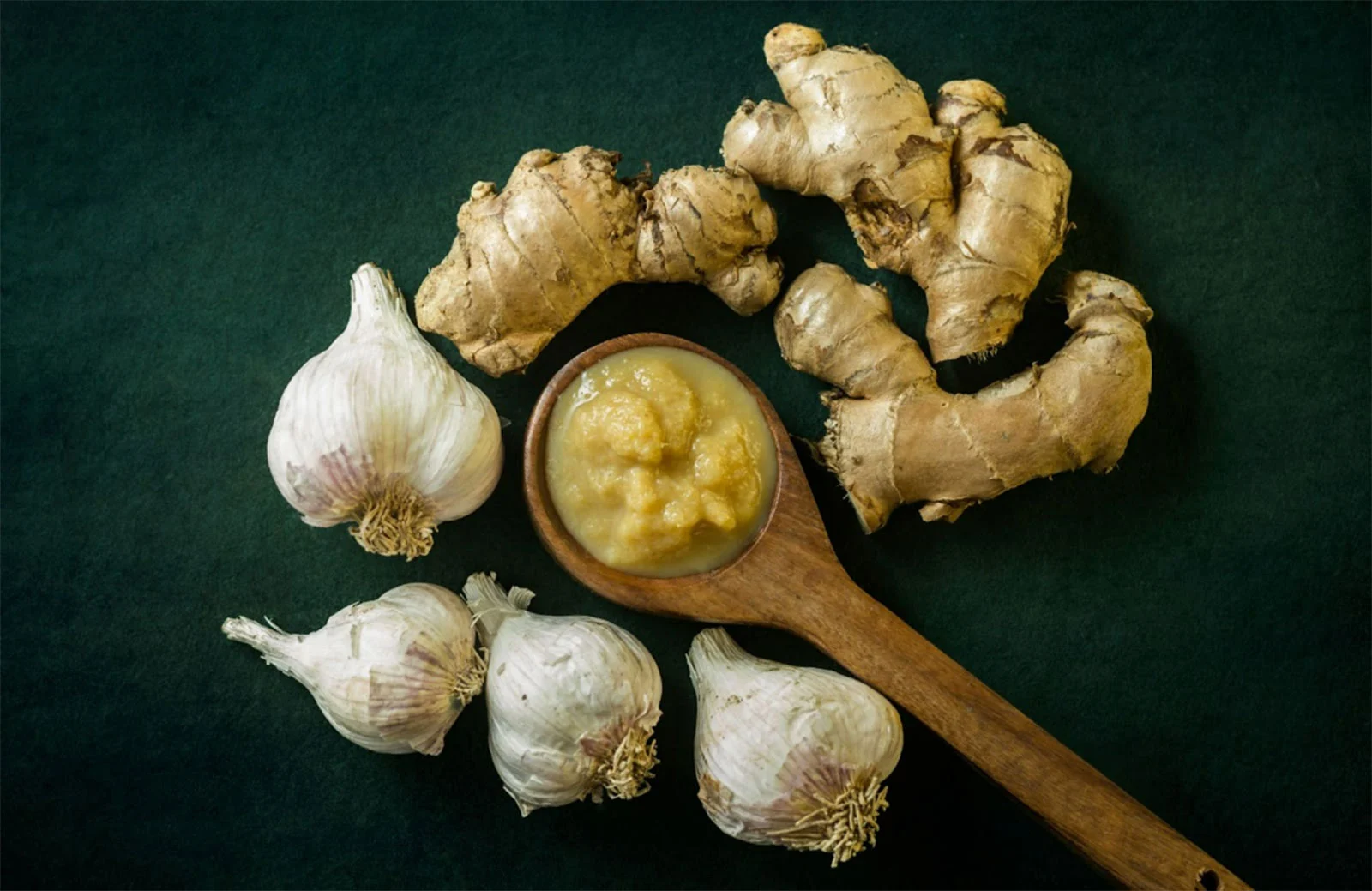
Ginger and garlic have been celebrated for centuries as powerful superfoods that offer remarkable benefits for immunity and digestion. Used extensively in traditional medicine systems such as Ayurveda and Traditional Chinese Medicine, these natural ingredients are now backed by modern scientific research highlighting their health-promoting properties. Both ginger and garlic are rich in bioactive compounds, antioxidants, and essential nutrients that support the immune system, improve digestive health, reduce inflammation, and protect the body against infections and chronic diseases. Incorporating ginger and garlic into daily diets can be a simple yet highly effective strategy to enhance overall health, boost immunity, and maintain a well-functioning digestive system. Understanding the unique properties, health benefits, and practical applications of ginger and garlic allows individuals to fully harness their potential for long-term wellness.
The Nutritional Profile of Ginger and Garlic
Ginger, scientifically known as Zingiber officinale, contains essential compounds such as gingerol, shogaol, and zingerone, which contribute to its distinctive flavor, aroma, and therapeutic properties. Ginger is low in calories yet packed with antioxidants, vitamins such as vitamin C, and minerals including magnesium and potassium. Its bioactive compounds are responsible for anti-inflammatory, antimicrobial, and digestive-enhancing effects.
Garlic, or Allium sativum, is renowned for its sulfur-containing compounds, particularly allicin, which are responsible for its pungent aroma and potent health benefits. Garlic is also rich in vitamins C and B6, manganese, selenium, and trace minerals that support metabolic functions and immunity. Allicin and other sulfur compounds exhibit antibacterial, antiviral, antifungal, and anti-inflammatory properties, making garlic a natural defense agent against infections and digestive disorders. Both ginger and garlic complement each other, providing synergistic benefits for immunity, digestion, and overall health.
How Ginger Boosts Immunity
Ginger plays a vital role in strengthening the immune system by enhancing the body’s ability to fight infections and reduce inflammation. The gingerol compounds in ginger stimulate immune cells, helping the body respond more effectively to pathogens. Ginger also exhibits antiviral properties, making it helpful in managing common infections such as colds, flu, and respiratory illnesses. Regular consumption of ginger may reduce the severity and duration of infections by supporting white blood cell function and antioxidant defenses. Additionally, ginger’s anti-inflammatory effects help regulate immune responses, preventing excessive inflammation that can weaken immunity. Incorporating ginger into teas, soups, smoothies, or meals provides a convenient way to harness these immunity-boosting properties.
How Garlic Strengthens Immunity
Garlic is a powerhouse for immunity due to its sulfur compounds, particularly allicin, which exhibits strong antimicrobial and antiviral effects. Consuming raw or lightly cooked garlic can enhance the body’s natural defense mechanisms by stimulating white blood cells and promoting the production of antibodies. Garlic’s antioxidant properties protect immune cells from oxidative damage, while its anti-inflammatory effects reduce chronic inflammation that can compromise immune function. Studies have shown that regular garlic intake can reduce the incidence and severity of infections, including common colds, flu, and other respiratory illnesses. Garlic can be included in daily meals, dressings, or supplements to maintain robust immunity and overall health.
Ginger and Digestive Health
Ginger is widely recognized for its ability to support digestive health. It stimulates digestive enzymes, enhances gastric motility, and reduces bloating, gas, and indigestion. Ginger’s anti-nausea properties make it effective for alleviating morning sickness, motion sickness, and chemotherapy-induced nausea. The anti-inflammatory and antimicrobial properties of ginger help maintain a healthy gut environment by reducing inflammation and controlling harmful bacteria. Ginger also aids in relieving constipation and promoting regular bowel movements. Consuming ginger as a tea, infusion, or spice in meals can enhance digestion, reduce gastrointestinal discomfort, and improve nutrient absorption.
Garlic and Digestive Health
Garlic contributes to digestive health by promoting a balanced gut microbiome and protecting the gastrointestinal tract from harmful pathogens. Its antibacterial and antifungal properties help control the growth of harmful bacteria and yeast in the gut, while its prebiotic properties stimulate the growth of beneficial gut bacteria such as Lactobacillus and Bifidobacterium. Garlic also aids in detoxifying the digestive system, supporting liver function, and enhancing the body’s ability to process and absorb nutrients. Including raw or lightly cooked garlic in meals, salad dressings, or fermented preparations can optimize gut health and improve digestion over time.
Anti-Inflammatory Benefits of Ginger and Garlic
Both ginger and garlic are potent anti-inflammatory agents, which is crucial for immunity and digestive health. Chronic inflammation is linked to a wide range of health issues, including autoimmune disorders, cardiovascular diseases, and digestive disorders like inflammatory bowel disease. Gingerol in ginger inhibits pro-inflammatory cytokines, reducing inflammation in the gastrointestinal tract and throughout the body. Garlic’s sulfur compounds similarly reduce inflammatory markers and support immune regulation. By incorporating these superfoods regularly, individuals can mitigate chronic inflammation, enhance immune responses, and promote healthy digestion.
Antioxidant Properties
Ginger and garlic are rich in antioxidants, which neutralize harmful free radicals that can damage cells and compromise immunity. Antioxidants in ginger, including gingerols and shogaols, protect the digestive lining, enhance cellular health, and reduce oxidative stress. Garlic contains allicin and other sulfur compounds that similarly combat oxidative damage, strengthen immune defenses, and support overall metabolic function. Regular consumption of antioxidant-rich ginger and garlic contributes to longevity, disease prevention, and optimal digestive and immune health.
Cardiovascular Support
Ginger and garlic not only benefit immunity and digestion but also support cardiovascular health. Ginger helps reduce cholesterol levels, regulate blood pressure, and improve circulation, while garlic exhibits similar effects by lowering LDL cholesterol, preventing platelet aggregation, and promoting healthy blood flow. Maintaining cardiovascular health indirectly supports digestive function and immunity, as a well-functioning circulatory system ensures proper nutrient and oxygen delivery throughout the body. Including ginger and garlic in a balanced diet supports heart health, immunity, and digestion simultaneously.
Practical Ways to Include Ginger and Garlic in Daily Diet
Incorporating ginger and garlic into daily meals is simple and versatile. Fresh ginger can be added to teas, smoothies, soups, stir-fries, marinades, and salad dressings. Grated or sliced ginger provides flavor and therapeutic benefits. Garlic can be used raw in salad dressings, salsas, or dips, or lightly cooked in stir-fries, soups, and roasted dishes. Roasting garlic enhances its flavor while preserving some of its beneficial compounds. Combining ginger and garlic in recipes such as soups, stews, and marinades maximizes their synergistic effects on immunity and digestion.
Ginger and Garlic Supplements
For those who find it challenging to consume ginger and garlic regularly through diet alone, supplements are available in the form of capsules, powders, and extracts. Standardized supplements provide concentrated doses of bioactive compounds like gingerol and allicin. However, it is important to consult a healthcare professional before starting supplements, particularly for individuals on medications or with underlying health conditions. Dietary sources remain the preferred method for obtaining these superfoods due to additional nutrients and synergistic compounds present in whole foods.
Safety Considerations and Precautions
While ginger and garlic are generally safe for most individuals, excessive consumption may cause mild side effects such as heartburn, stomach upset, or garlic breath. People taking blood-thinning medications should exercise caution with high garlic intake due to its anticoagulant properties. Pregnant or breastfeeding women should consume these superfoods in moderation and consult healthcare providers for personalized guidance. Incorporating moderate amounts of ginger and garlic into a balanced diet ensures safety while maximizing health benefits.
Traditional and Modern Applications
Historically, ginger and garlic have been used to treat digestive disorders, colds, infections, and inflammatory conditions. Modern science has validated many of these traditional uses, demonstrating their roles in immunity enhancement, antimicrobial activity, and digestive support. Traditional remedies such as ginger tea with honey, garlic-infused oil, or fermented garlic preparations remain popular due to their therapeutic effects. Modern recipes incorporating these superfoods in salads, stir-fries, soups, smoothies, and health shots provide convenient ways to leverage their health benefits in contemporary diets.
Combining Ginger and Garlic for Maximum Benefit
When used together, ginger and garlic provide synergistic effects for immunity and digestion. The anti-inflammatory, antioxidant, and antimicrobial properties of both superfoods complement each other, enhancing their effectiveness in supporting immune defenses, promoting gut health, and reducing inflammation. Recipes that combine garlic and ginger, such as stir-fried vegetables, soups, and marinades, allow individuals to harness their full potential while adding flavor, aroma, and nutrition to meals.
Lifestyle Practices to Enhance Effects
In addition to dietary inclusion of ginger and garlic, adopting a healthy lifestyle enhances their benefits. Regular physical activity improves circulation, metabolism, and digestive function. Adequate hydration supports nutrient absorption and gut motility. Stress management through meditation, yoga, or deep breathing reduces inflammation and promotes immune balance. Sufficient sleep strengthens immune responses and digestive health. Combining these lifestyle practices with consistent consumption of ginger and garlic creates a holistic approach to wellness.
Conclusion
Ginger and garlic are powerful superfoods that provide exceptional benefits for immunity and digestion. Rich in bioactive compounds, antioxidants, vitamins, and minerals, they support immune function, enhance gut health, reduce inflammation, and protect against infections and chronic diseases. Including ginger and garlic in daily meals, whether fresh, cooked, or in moderate supplement form, provides a natural, safe, and effective way to strengthen overall health. By understanding their properties, practical applications, and synergistic potential, individuals can harness the power of these superfoods to boost immunity, improve digestion, and promote long-term wellness. Combining ginger and garlic with a balanced diet, proper hydration, regular physical activity, stress management, and sufficient sleep ensures maximum health benefits and optimal functioning of the immune and digestive systems.