
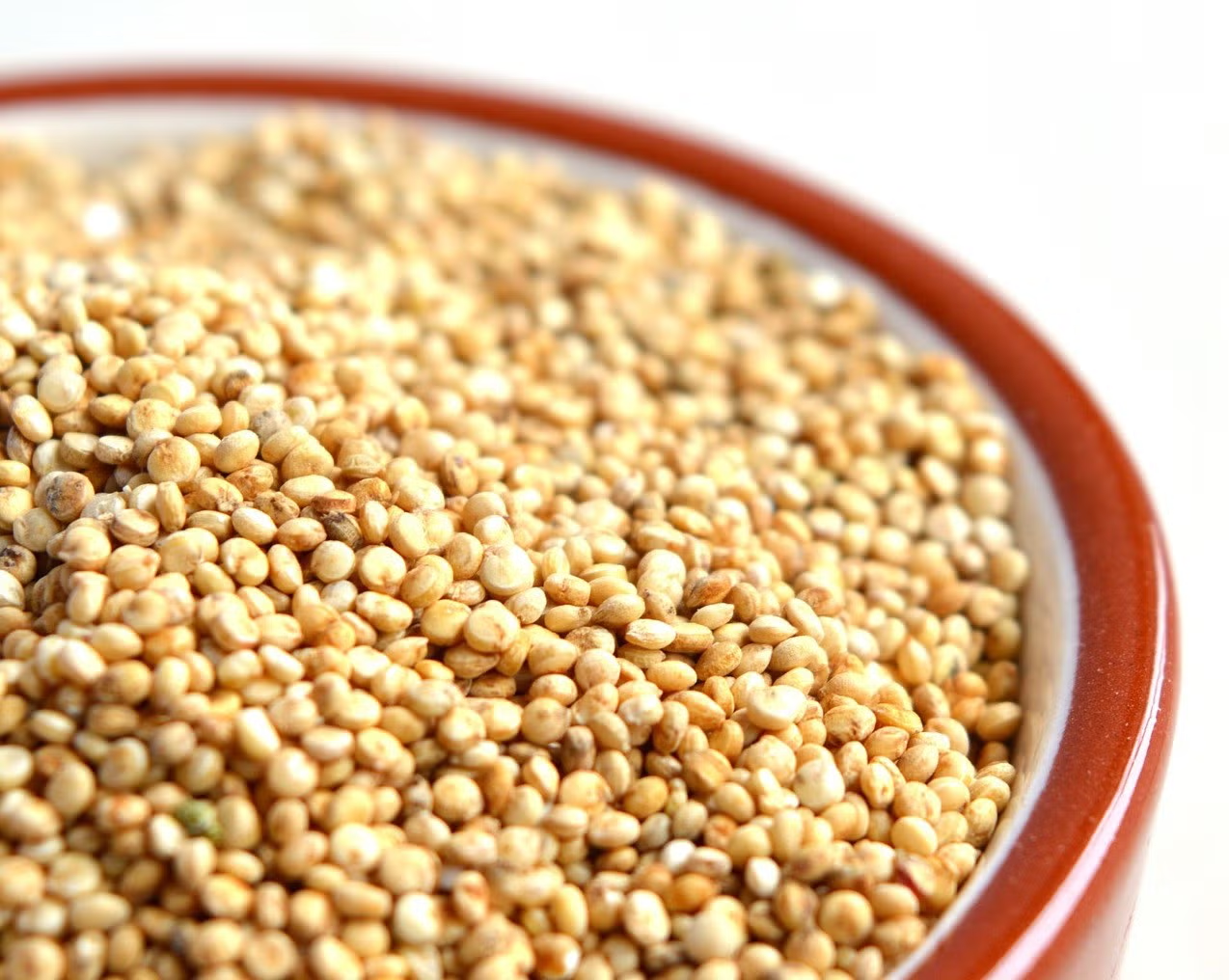
Quinoa is a nutrient-dense pseudo-grain that has gained worldwide popularity due to its impressive health benefits, versatility in cooking, and role as a staple in balanced diets. Native to the Andean region of South America, quinoa has been cultivated for thousands of years and is often referred to as a “superfood” because of its high protein content, essential amino acids, fiber, vitamins, and minerals. Unlike traditional grains, quinoa is naturally gluten-free, making it an excellent choice for individuals with celiac disease, gluten sensitivities, or those looking to diversify their diet. Its mild, nutty flavor and fluffy texture when cooked allow quinoa to be used in a variety of recipes, including salads, soups, side dishes, breakfast bowls, and even baked goods. Understanding quinoa’s nutritional profile, health benefits, and cooking techniques ensures it becomes a staple in your diet, contributing to overall health, energy, and well-being.
Nutritional Profile of Quinoa
Quinoa is packed with nutrients that make it a valuable addition to any diet. One cup of cooked quinoa provides approximately eight grams of protein, making it one of the highest plant-based protein sources. Quinoa is a complete protein, containing all nine essential amino acids, which is rare for plant foods. It is rich in fiber, supporting digestive health and promoting satiety, making it an ideal food for weight management. Quinoa also contains essential minerals such as magnesium, iron, potassium, zinc, and phosphorus, as well as vitamins B-complex and vitamin E. Additionally, quinoa has a low glycemic index, which helps regulate blood sugar levels and provides sustained energy. Its combination of protein, fiber, vitamins, minerals, and antioxidants makes quinoa a powerhouse for overall health.
Health Benefits of Quinoa
Quinoa offers a wide range of health benefits, making it a valuable component of a balanced diet.
Supports Digestive Health
Quinoa is rich in dietary fiber, which promotes healthy bowel movements, reduces constipation, and supports gut microbiota. Fiber also contributes to prolonged satiety, helping control appetite and manage weight.
Helps Manage Blood Sugar Levels
With a low glycemic index, quinoa releases glucose slowly into the bloodstream, preventing spikes and crashes in blood sugar. This makes it an excellent choice for individuals with diabetes or those looking to maintain stable energy levels.
Boosts Heart Health
Quinoa contains heart-healthy nutrients such as magnesium, potassium, fiber, and antioxidants. Regular consumption supports healthy blood pressure, reduces cholesterol levels, and decreases the risk of cardiovascular disease.
Promotes Muscle Growth and Repair
High in protein and all essential amino acids, quinoa is beneficial for muscle growth, repair, and recovery. It is especially valuable for vegetarians, vegans, and athletes seeking plant-based protein sources.
Supports Bone Health
Quinoa provides essential minerals like magnesium, phosphorus, and manganese, which are critical for maintaining strong bones and preventing osteoporosis. Magnesium also aids in muscle relaxation and overall metabolic health.
Anti-Inflammatory and Antioxidant Properties
Quinoa is rich in antioxidants, including quercetin and kaempferol, which help reduce inflammation and protect cells from oxidative damage. Antioxidants in quinoa support immune function, reduce chronic disease risk, and promote longevity.
Weight Management
The combination of protein and fiber in quinoa promotes satiety, reducing overall calorie intake. Its nutrient density ensures that you receive essential nutrients without excessive calories, supporting healthy weight management and metabolic health.
Supports Detoxification and Kidney Health
Quinoa is a good source of potassium and magnesium, which help regulate fluid balance, reduce bloating, and support kidney function. Its fiber content also assists in toxin elimination through proper digestive function.
Types of Quinoa
There are several types of quinoa, each with unique characteristics and culinary uses:
- White Quinoa: The most common variety, with a mild flavor and fluffy texture when cooked. Ideal for salads, pilafs, and side dishes.
- Red Quinoa: Holds its shape better when cooked, making it suitable for cold salads, grain bowls, and hearty dishes.
- Black Quinoa: Slightly sweeter and earthier, with a firmer texture, perfect for adding color and variety to meals.
- Tri-Color Quinoa: A blend of white, red, and black quinoa, providing a mix of textures and flavors.
How to Choose Quality Quinoa
Selecting high-quality quinoa is essential for maximum flavor and nutrient retention. Look for organic, certified quinoa to avoid contaminants and ensure sustainable farming practices. Check packaging for freshness and avoid quinoa that appears discolored or has a musty odor. Some quinoa varieties are pre-rinsed to remove saponins, natural compounds that can taste bitter. If not pre-rinsed, wash quinoa thoroughly under cold water before cooking to eliminate saponins. Choosing high-quality quinoa ensures a pleasant flavor, optimal nutrition, and better cooking results.
Step-by-Step Guide to Cooking Quinoa Perfectly
Cooking quinoa correctly ensures a fluffy, tender texture without being mushy.
Ingredients
- 1 cup quinoa
- 2 cups water or broth
- Pinch of salt (optional)
Instructions
- Rinse Quinoa: Place quinoa in a fine mesh sieve and rinse under cold water for 1–2 minutes to remove bitter saponins.
- Boil Liquid: In a medium saucepan, bring water or broth to a boil. Adding broth enhances flavor.
- Add Quinoa: Stir in rinsed quinoa and a pinch of salt.
- Simmer: Reduce heat to low, cover, and simmer for 15–20 minutes until the liquid is absorbed.
- Let It Sit: Remove from heat and let quinoa sit covered for 5 minutes to steam.
- Fluff with a Fork: Fluff cooked quinoa with a fork to separate grains and create a light, airy texture.
Tips for Perfect Quinoa
- Use a 2:1 water-to-quinoa ratio for fluffy results.
- Toast quinoa in a dry pan before boiling for a nuttier flavor.
- Do not stir too much while cooking, as it can make quinoa sticky.
- Adjust cooking liquid slightly for softer or firmer quinoa depending on recipe requirements.
Quinoa in Meal Planning
Quinoa’s versatility makes it easy to incorporate into a variety of meals, supporting a balanced diet.
Breakfast Ideas
- Quinoa porridge with almond milk, berries, and chia seeds
- Quinoa breakfast bowls with eggs, avocado, and vegetables
- Quinoa pancakes or muffins for a protein-rich start to the day
Lunch and Dinner Recipes
- Quinoa salads with chickpeas, tomatoes, cucumbers, and olive oil
- Quinoa stir-fry with tofu, vegetables, and a sesame-soy dressing
- Quinoa pilaf with roasted vegetables, herbs, and grilled chicken or fish
- Stuffed bell peppers with quinoa, beans, corn, and spices
Snacks and Side Dishes
- Quinoa and vegetable patties for a protein-packed snack
- Quinoa tabbouleh with parsley, tomatoes, lemon juice, and olive oil
- Quinoa bowls with hummus, roasted vegetables, and avocado
Baking with Quinoa
- Gluten-free quinoa bread, muffins, and cookies
- Quinoa flour pancakes or waffles for breakfast or dessert
- Incorporate cooked quinoa into cakes or energy bars for added protein and fiber
Combining Quinoa with Other Nutrient-Dense Foods
Quinoa pairs well with various nutrient-rich ingredients to maximize its health benefits. Combining quinoa with beans, lentils, nuts, seeds, vegetables, and lean protein creates complete meals that support muscle growth, satiety, and overall nutrition. Using quinoa in soups, stews, casseroles, salads, and stir-fries ensures balanced macronutrients and a wide array of vitamins, minerals, and antioxidants. By combining quinoa with diverse foods, you can maintain variety, flavor, and a nutrient-dense diet.
Tips for Storing Quinoa
Proper storage of quinoa preserves its freshness, flavor, and nutritional quality. Store dry quinoa in an airtight container in a cool, dry, and dark place for up to 12 months. Cooked quinoa can be refrigerated in an airtight container for up to 5–7 days or frozen for up to 2 months. Freezing cooked quinoa in portions allows for convenient meal prep and reduces food waste. Proper storage ensures that quinoa retains its texture, taste, and health benefits, making it easy to incorporate into meals throughout the week.
Quinoa for Special Diets
Quinoa is suitable for a variety of dietary needs, including:
- Gluten-Free Diets: Naturally gluten-free and safe for celiac disease or gluten sensitivity.
- Vegetarian and Vegan Diets: Provides complete protein and essential nutrients.
- Low-Glycemic Diets: Helps regulate blood sugar due to its slow-digesting carbohydrates.
- Weight Management Plans: Supports satiety and nutrient density while controlling calories.
Quinoa and Sustainability
Quinoa is a sustainable crop that requires less water compared to many grains and grows well in diverse climates. Choosing organic and ethically sourced quinoa supports environmentally friendly farming practices and contributes to global food sustainability. Incorporating quinoa into your diet aligns with health goals while promoting environmentally responsible food choices.
Conclusion on Health Benefits of Quinoa and Cooking Tips
Quinoa is a versatile, nutrient-dense, and gluten-free food that supports a balanced diet and offers a wide array of health benefits. Its high protein content, essential amino acids, fiber, vitamins, minerals, and antioxidants make it ideal for supporting digestion, heart health, muscle growth, bone health, weight management, and overall wellness. By learning how to cook quinoa perfectly using proper rinsing, simmering, and fluffing techniques, you can enjoy its light, fluffy texture and nutty flavor in countless recipes. Incorporating quinoa into breakfasts, lunches, dinners, snacks, and baked goods ensures nutrient diversity and promotes long-term health.
Whether you are managing a specific health condition, following a plant-based diet, or simply seeking a nutritious food to include in everyday meals, quinoa is a powerful ingredient that enhances both flavor and nutrition. By selecting high-quality quinoa, storing it correctly, and pairing it with complementary ingredients, you can fully harness its benefits and make it a staple in your journey toward a healthier, balanced lifestyle.