
Everyone’s body is unique, and a diet that works for one person may not deliver the same results for another. Understanding how to build a personalized diet plan for your body type allows you to meet your nutritional needs, achieve fitness goals, and improve overall health. Personalized diets take into account factors such as metabolism, body composition, activity level, age, and health goals to provide a plan that is both effective and sustainable. This comprehensive guide explains the importance of body type-specific nutrition, the science behind metabolism, macronutrient distribution, and step-by-step strategies to create a customized diet plan tailored to individual needs.
Why Personalizing Your Diet Is Important
Generic diet plans often fail because they do not consider individual differences in metabolism, genetics, activity level, and food preferences. A personalized diet plan optimizes energy intake, supports weight management, enhances muscle development, and prevents nutrient deficiencies. Tailoring a diet to your body type helps maintain hormonal balance, boosts immunity, and improves mental focus. By understanding your body’s unique requirements, you can avoid fad diets, maintain long-term results, and develop a sustainable approach to healthy eating.
Understanding Body Types
Body types, often classified as ectomorph, mesomorph, and endomorph, influence how your body gains muscle, stores fat, and responds to food. Ectomorphs are naturally lean with fast metabolism, often struggling to gain weight or muscle. Mesomorphs have an athletic build, with a natural tendency to gain muscle easily and maintain a moderate fat percentage. Endomorphs are prone to storing fat and may have a slower metabolism, requiring more careful monitoring of calorie intake. While body type is just one factor, understanding it helps in designing macronutrient ratios and portion sizes that align with your body’s tendencies.
Assessing Your Current Health and Goals
Before building a personalized diet plan, assess your current health status and define clear goals. Consider factors such as weight, body mass index (BMI), body fat percentage, muscle mass, activity level, and any medical conditions. Identify specific goals like weight loss, muscle gain, improved energy, or enhanced athletic performance. Understanding your baseline allows you to create a realistic, tailored plan that addresses both short-term results and long-term wellness. Consulting with a registered dietitian or healthcare professional can provide additional insights and ensure a safe approach.
Determining Your Caloric Needs
Caloric requirements vary based on body type, age, gender, activity level, and goals. Ectomorphs may require higher calorie intake to support weight gain and muscle development. Endomorphs may need moderate caloric restriction for fat loss. Mesomorphs often require balanced calorie intake to maintain weight and support physical activity. Calculating your basal metabolic rate (BMR) and total daily energy expenditure (TDEE) provides a baseline for planning daily calorie intake. Adjusting calories according to goals ensures that your personalized diet plan is effective and sustainable.
Macronutrient Distribution for Body Types
Macronutrients—proteins, carbohydrates, and fats—play different roles depending on body type and goals. Protein supports muscle growth, repair, and satiety. Carbohydrates provide energy for daily activity and workouts, while fats are essential for hormonal balance, brain function, and nutrient absorption. Ectomorphs may benefit from higher carbohydrate intake to support energy and weight gain. Endomorphs may benefit from a slightly lower carbohydrate intake with higher protein and moderate healthy fats to support fat loss. Mesomorphs often thrive on a balanced distribution of protein, carbohydrates, and fats to maintain muscle and energy. Tailoring macronutrient ratios ensures that your personalized diet plan aligns with your metabolism and objectives.
Importance of Micronutrients
Vitamins and minerals are essential for overall health, immune function, and energy metabolism. A personalized diet plan should ensure adequate intake of micronutrients like vitamin D, calcium, magnesium, iron, zinc, and antioxidants. Ectomorphs focused on muscle gain need sufficient calcium and vitamin D for bone health, while endomorphs focusing on fat loss should prioritize magnesium and chromium for blood sugar regulation. Mesomorphs require a balance of micronutrients to support athletic performance and recovery. Including a variety of colorful fruits, vegetables, whole grains, nuts, seeds, and lean proteins ensures micronutrient adequacy.
Meal Timing and Frequency
Meal timing can impact metabolism, energy levels, and workout performance. Ectomorphs may benefit from frequent meals and snacks to meet high caloric needs. Endomorphs may prefer three balanced meals with smaller, nutrient-dense snacks to avoid excess calorie intake. Mesomorphs may thrive with a moderate meal frequency tailored to physical activity. Consuming protein-rich meals post-workout supports muscle repair, while spreading carbohydrates throughout the day maintains energy levels. Meal timing is an important component when building a personalized diet plan for your body type.
Sample Low-Calorie and High-Protein Meals
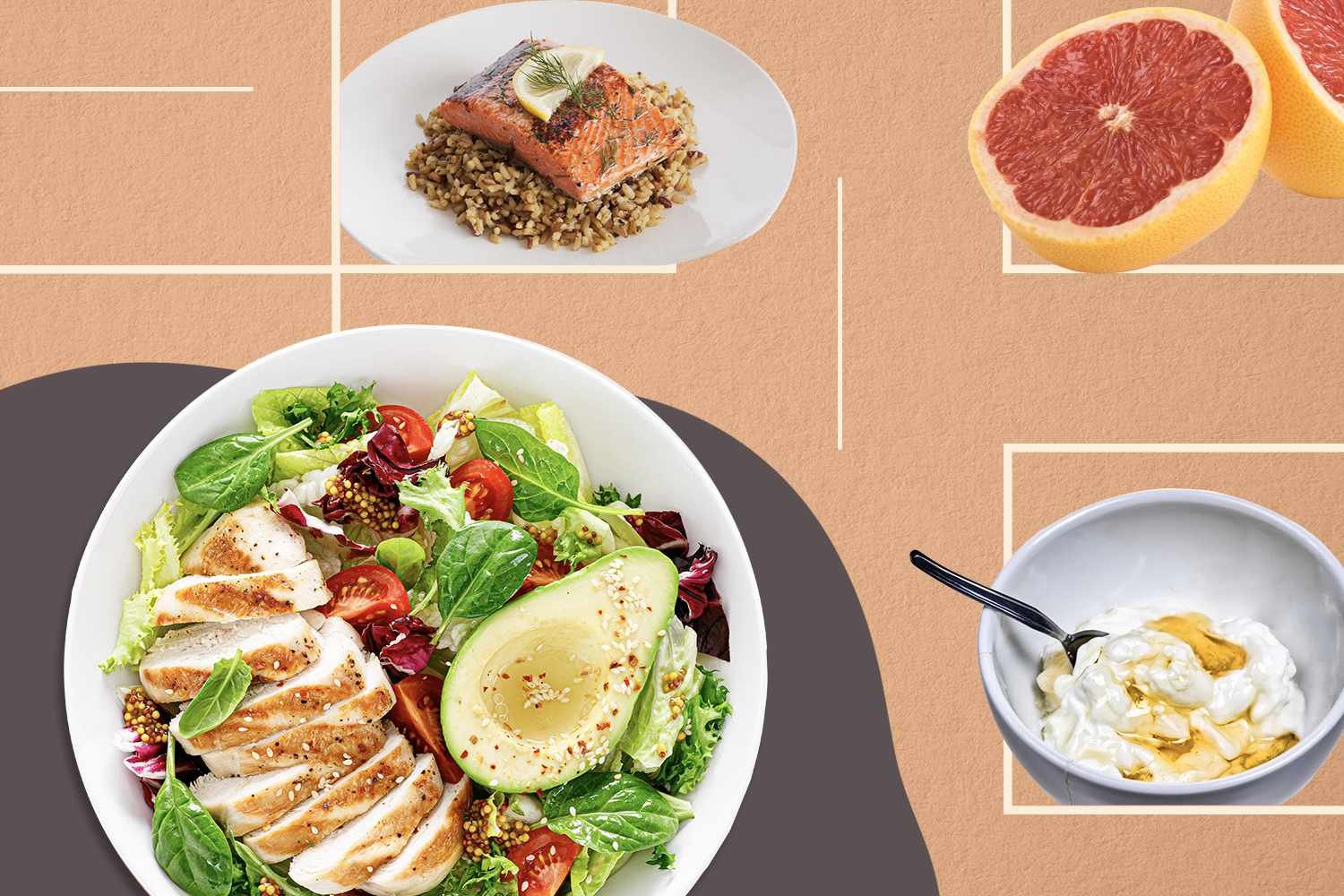
A personalized diet plan includes specific meal examples that align with body type and goals. Breakfast options may include Greek yogurt with berries and chia seeds, scrambled eggs with spinach, or oatmeal with nuts and fruit. Lunch may feature grilled chicken salad with quinoa, lentil curry with brown rice, or vegetable stir-fry with tofu. Dinner can include baked salmon with roasted vegetables, zucchini noodles with turkey meatballs, or chickpea salad with avocado. Snacks may include hummus with carrot sticks, protein shakes, or a handful of almonds. Adjusting portion sizes according to caloric requirements ensures balance and satiety.
Strategies for Meal Planning
Meal planning is crucial to maintain consistency and adherence to your personalized diet plan. Plan weekly menus based on your calorie needs, macronutrient distribution, and food preferences. Prepping ingredients like chopped vegetables, cooked grains, and marinated proteins saves time and reduces reliance on processed foods. Batch cooking meals in advance ensures availability of healthy options throughout the week. Tracking intake with a food journal or app helps monitor calories, macronutrients, and micronutrients, allowing adjustments as needed.
Hydration and Its Role in Personalized Diet Plans
Water is essential for metabolism, digestion, and nutrient transport. Hydration supports energy, reduces cravings, and enhances workout performance. Ectomorphs, mesomorphs, and endomorphs alike benefit from drinking water consistently throughout the day. Herbal teas, infused water, and low-calorie beverages contribute to fluid intake without adding unnecessary calories. Adequate hydration is a simple yet critical component when building a personalized diet plan for your body type.
Incorporating Exercise With Your Diet Plan
Exercise complements a personalized diet plan by supporting muscle development, fat loss, and overall health. Ectomorphs may focus on resistance training to gain muscle mass. Endomorphs may combine cardiovascular exercise with strength training for fat loss and metabolism enhancement. Mesomorphs may benefit from a balanced exercise routine that maintains muscle and supports physical performance. Combining the right type and intensity of exercise with nutrition accelerates results and enhances long-term health outcomes.
Monitoring Progress and Adjusting Your Diet
Regular monitoring of weight, body composition, energy levels, and physical performance helps evaluate the effectiveness of your personalized diet plan. Adjusting calories, macronutrient ratios, or meal timing based on progress ensures continuous improvement. Listening to your body, tracking hunger cues, and making gradual changes prevents plateaus and supports sustainable results. Flexibility and adaptability are key principles when building a personalized diet plan for your body type.
Common Mistakes to Avoid
When creating a personalized diet plan, avoid common pitfalls such as over-restricting calories, ignoring macronutrient balance, skipping meals, relying solely on supplements, or following fad diets. Not considering individual activity levels and metabolic rate can hinder progress. Overemphasizing a single food group may lead to nutrient deficiencies. Avoiding these mistakes ensures your personalized diet plan is effective, balanced, and sustainable.
Benefits of a Personalized Diet Plan
A personalized diet plan offers numerous benefits including effective weight management, improved energy, better digestion, enhanced athletic performance, and reduced risk of chronic diseases. Tailoring your diet to your body type ensures optimal nutrient intake, supports hormonal balance, and improves mental focus. Personalized nutrition promotes long-term adherence, reduces diet fatigue, and encourages healthy eating habits that can be maintained for life.
Conclusion
Learning how to build a personalized diet plan for your body type allows you to achieve health and fitness goals efficiently and sustainably. By understanding your body type, assessing health status, calculating caloric needs, determining macronutrient distribution, and incorporating nutrient-dense foods, you can create a tailored diet plan that meets your individual requirements. Meal planning, portion control, hydration, exercise, and regular monitoring further enhance results. Avoiding common mistakes and focusing on balance ensures your personalized diet plan is both effective and enjoyable. Embracing a customized approach to nutrition empowers you to optimize your metabolism, support muscle and fat management, and achieve overall health and wellness, making personalized diets a cornerstone of a healthy lifestyle.