
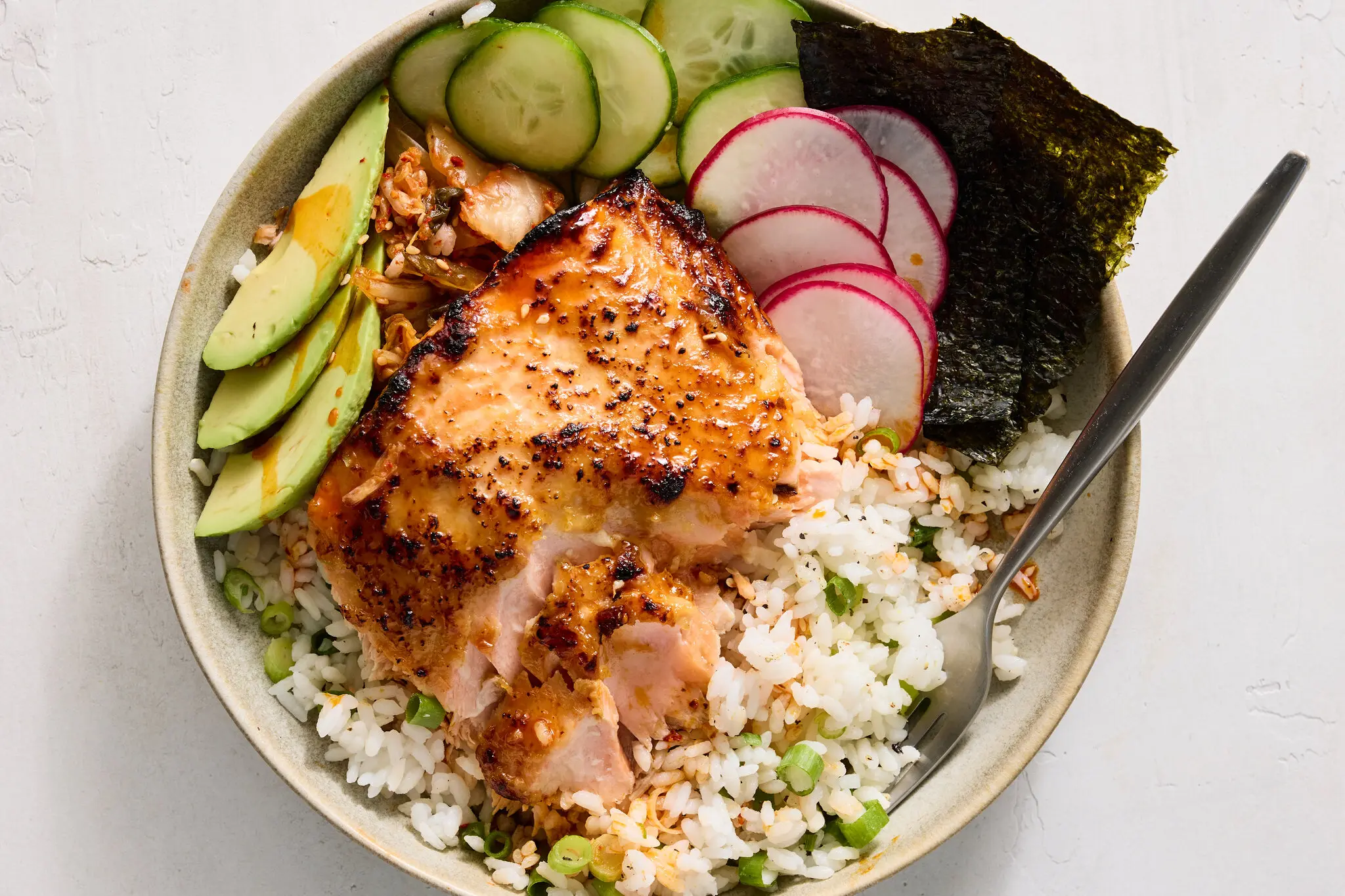
Meal prep recipes for a week of healthy eating are an excellent strategy for maintaining a balanced diet, saving time, and supporting weight management or fitness goals. Planning and preparing meals in advance helps individuals avoid unhealthy choices, control portion sizes, and ensure consistent nutrient intake throughout the week. Healthy meal prep recipes focus on including lean proteins, fiber-rich carbohydrates, healthy fats, and a variety of vegetables and fruits. By organizing meals ahead of time, people can enjoy convenient, ready-to-eat options while reducing the stress of daily cooking. With the right meal prep recipes, it is possible to maintain energy levels, support digestion, and enjoy flavorful, nutritious meals all week long.
Benefits of Weekly Meal Prep
Weekly meal prep offers multiple advantages beyond convenience. Preparing meals in advance helps control calorie intake, prevents impulsive eating, and promotes balanced nutrition. It saves time during busy weekdays, reduces reliance on takeout or fast food, and supports financial savings by buying ingredients in bulk. Meal prepping also encourages portion control, reduces food waste, and promotes mindful eating habits. By organizing meals and snacks for the week, individuals can maintain consistent energy, optimize performance, and adhere to specific dietary goals such as weight loss, muscle gain, or overall wellness.
Essential Principles for Healthy Meal Prep
Successful meal prep recipes for a week of healthy eating rely on several key principles. First, focus on nutrient-dense foods, including lean proteins, whole grains, healthy fats, and a variety of colorful vegetables and fruits. Second, plan meals to include balanced macronutrients in each serving, combining protein, fiber, and healthy fats for sustained energy and satiety. Third, use versatile ingredients that can be prepared in bulk and adapted for different meals, such as roasted chicken, quinoa, or mixed vegetables. Fourth, practice portion control by using meal prep containers or portioning tools to ensure consistent calorie and nutrient intake. Fifth, store meals properly to maintain freshness and safety, using airtight containers and refrigeration or freezing when necessary.
Planning a Weekly Meal Prep
Planning a weekly meal prep involves selecting recipes, creating a shopping list, and organizing cooking schedules. Start by choosing 3–4 main meals for lunch and dinner, along with snacks and breakfast options that can be prepared in advance. Include a variety of proteins, vegetables, grains, and healthy fats to ensure balanced nutrition. Determine appropriate portion sizes based on dietary goals, activity levels, and caloric requirements. Make a comprehensive shopping list to avoid unnecessary purchases and ensure all ingredients are available. Consider meal prep themes or modular recipes that allow mixing and matching components, such as grilled protein with various vegetables and grains, to prevent monotony.
Breakfast Meal Prep Recipes
Healthy breakfast meal prep recipes set the tone for energy and productivity throughout the day. Overnight oats are a convenient and versatile option; combine rolled oats with Greek yogurt, chia seeds, almond milk, and fresh or frozen fruits. Prepare multiple jars at once for the week, adding different fruits or spices like cinnamon to vary flavors. Egg muffins are another excellent choice; whisk eggs with spinach, bell peppers, onions, and a sprinkle of cheese, then bake in muffin tins. These can be stored in the refrigerator and reheated for quick, protein-rich breakfasts. Smoothie packs are also effective; pre-portion fruits, vegetables, and protein powder in freezer bags, then blend with liquid in the morning for a nutrient-packed breakfast.
Lunch Meal Prep Recipes
Lunch meal prep recipes focus on balanced, filling meals that can be eaten cold or reheated easily. Grilled chicken or tofu with quinoa and roasted vegetables is a classic example; prepare proteins in bulk, cook grains ahead, and roast a mix of seasonal vegetables such as broccoli, carrots, and bell peppers. Store in portioned containers for grab-and-go lunches. Salad jars are another convenient option; layer ingredients in mason jars with dressing at the bottom and greens at the top to prevent sogginess. Include chickpeas, beans, or grilled salmon for protein, mixed vegetables for nutrients, and a whole grain like farro or bulgur for fiber. Grain bowls with brown rice, black beans, avocado, and roasted vegetables are versatile and can be customized throughout the week with different dressings or toppings.
Dinner Meal Prep Recipes
Dinner meal prep recipes should be satisfying, nutrient-rich, and easy to reheat. Baked salmon or cod with steamed vegetables and sweet potatoes provides a high-protein, omega-3-rich meal. Stir-fries with lean protein, such as chicken, beef, or tofu, combined with broccoli, bell peppers, and snap peas, served over brown rice or quinoa, make flavorful dinners that store well. Casseroles such as vegetable lasagna made with whole wheat noodles and low-fat cheese or baked chicken and vegetable medleys with herbs and olive oil are also excellent options. Using different sauces, spices, and herbs can keep meals interesting throughout the week while maintaining low-calorie, nutrient-dense profiles.
Snack Meal Prep Recipes
Healthy snacks prepared in advance help curb hunger between meals and prevent reaching for processed, high-calorie options. Fresh-cut vegetables with hummus, Greek yogurt with berries and nuts, boiled eggs, or energy balls made with oats, dates, and nut butter are ideal snack options. Roasted chickpeas or edamame provide protein and fiber, while homemade trail mix with nuts, seeds, and dried fruit adds a satisfying crunch. Pre-portion snacks in small containers or bags to maintain calorie control and make them easy to grab during busy days.
Tips for Storing Meal Prep Recipes
Proper storage is crucial to maintain the freshness, taste, and safety of meal prep recipes. Use airtight containers for individual meals and separate components when necessary, such as keeping dressings or sauces in separate containers. Refrigerate meals that will be consumed within 3–4 days and freeze meals for longer storage, labeling each container with the date and contents. Reheat meals thoroughly to maintain flavor and texture, and store grains and proteins separately from vegetables if possible to prevent sogginess. Following these storage tips ensures that meal prep recipes for a week of healthy eating remain safe, delicious, and convenient.
Portion Control and Balanced Nutrition
Meal prep recipes for a week of healthy eating should emphasize portion control and balanced nutrition. Include adequate protein, complex carbohydrates, and healthy fats in each meal to maintain energy, satiety, and metabolism. Vegetables should occupy at least half of the plate, with lean protein and grains or starchy vegetables making up the remainder. Using measuring tools or portioned containers helps avoid overeating and ensures consistent nutrient intake. Proper portioning also supports weight management and prevents consuming excess calories, even when eating healthy foods.
Customizing Meal Prep for Dietary Needs
Meal prep recipes can be tailored to meet individual dietary preferences or restrictions. For vegetarians, include plant-based proteins such as tofu, tempeh, beans, lentils, and quinoa. For those following a low-carb diet, focus on protein and non-starchy vegetables, replacing grains with cauliflower rice or zucchini noodles. For gluten-free diets, use rice, quinoa, or gluten-free oats instead of wheat-based products. Incorporating seasonal produce ensures variety, flavor, and nutrient density while keeping costs manageable. Customizing meals according to individual needs improves adherence, satisfaction, and overall success of a meal prep routine.
Time-Saving Tips for Meal Prep
Efficient meal prep saves time and encourages consistency. Cook proteins and grains in bulk, roast large batches of vegetables, and prepare sauces or dressings ahead of time. Utilize kitchen appliances such as slow cookers, instant pots, or air fryers to streamline cooking. Pre-chop vegetables, portion ingredients, and organize containers for quick assembly. Planning meals based on similar cooking methods or ingredients reduces preparation time and makes weekly meal prep more manageable. Effective planning and batch cooking minimize stress, prevent last-minute unhealthy choices, and support a week of healthy eating.
Monitoring Progress and Adjusting Meal Prep
Tracking progress is important when following meal prep recipes for a week of healthy eating. Monitor weight, energy levels, satiety, and overall health markers to assess the effectiveness of meal plans. Adjust portion sizes, calorie intake, or macronutrient ratios based on individual goals and activity levels. Incorporate variety to prevent dietary boredom and ensure a comprehensive nutrient intake. By evaluating and refining meal prep strategies, individuals can maintain long-term success and enjoy a consistent, balanced, and healthy diet throughout the week.
Conclusion
Meal prep recipes for a week of healthy eating provide a structured, convenient, and effective approach to nutrition. By focusing on nutrient-dense foods, balanced macronutrients, portion control, and proper storage, individuals can save time, reduce food waste, and maintain a consistent, healthy diet. Incorporating protein, fiber-rich carbohydrates, healthy fats, and a variety of vegetables and fruits ensures optimal energy, satiety, and overall wellness. Tailoring meal prep to dietary preferences, planning efficiently, and monitoring progress supports long-term adherence and sustainable healthy eating habits. With thoughtful planning and preparation, meal prep recipes can simplify a healthy lifestyle, enhance nutritional balance, and provide flavorful, satisfying meals all week long.