
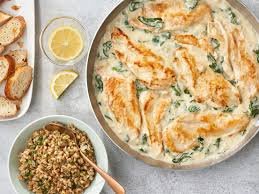
Weeknight dinners can be challenging, especially after a long day at work or managing family schedules. Preparing a healthy meal that is quick, flavorful, and requires minimal cleanup may seem impossible, but one-pot healthy recipes for easy weeknight dinners provide the perfect solution. One-pot meals combine simplicity, nutrition, and convenience, allowing busy individuals to enjoy homemade dinners without the hassle of multiple pots, pans, and dishes. This comprehensive guide explores the benefits of one-pot cooking, essential ingredients, cooking techniques, meal ideas, and tips to make nutritious weeknight dinners effortless and enjoyable.
Benefits of One-Pot Healthy Recipes
One-pot meals are designed to simplify cooking while maximizing nutrition. By cooking all ingredients in a single pot, flavors meld together, creating rich and satisfying dishes. One-pot recipes reduce cleanup time, making cooking less stressful and more manageable on busy nights. These recipes can be easily customized with vegetables, proteins, and grains to suit dietary preferences, whether vegetarian, vegan, or non-vegetarian. One-pot meals also allow for portion control, reduce food waste, and encourage the inclusion of a variety of nutrient-dense ingredients, making them ideal for maintaining a balanced and healthy diet.
Essential Ingredients for One-Pot Meals
The foundation of one-pot healthy recipes includes versatile, nutrient-rich ingredients. Lean proteins like chicken, turkey, shrimp, fish, tofu, and legumes provide essential amino acids for muscle repair and satiety. Whole grains such as brown rice, quinoa, bulgur, and barley offer fiber, sustained energy, and essential minerals. Vegetables like spinach, kale, broccoli, zucchini, bell peppers, and carrots add vitamins, minerals, and antioxidants. Healthy fats from olive oil, avocado, nuts, and seeds enhance flavor and support nutrient absorption. Herbs, spices, garlic, and onions provide flavor without excess calories or sodium. Stock or broth serves as a flavorful base while keeping meals light and nutritious. Balancing these ingredients ensures that one-pot meals are both satisfying and wholesome.
Cooking Techniques for One-Pot Healthy Recipes
Cooking techniques play a crucial role in creating one-pot meals that are flavorful, nutritious, and evenly cooked. Sautéing vegetables and proteins at the beginning enhances flavor and creates a base for sauces and grains. Simmering ingredients in stock or broth allows flavors to meld while cooking grains and proteins to perfection. Steaming vegetables within the pot preserves nutrients and adds texture. Baking or braising in a single pot is ideal for casseroles and hearty dishes. Slow cooking is another versatile method for one-pot meals, allowing flavors to develop over time while requiring minimal active cooking. Understanding these techniques ensures consistent results and helps maintain the health benefits of each ingredient.
One-Pot Healthy Breakfast Recipes
One-pot meals are not limited to lunch and dinner; they can also be adapted for breakfast. Oatmeal with chia seeds, berries, and a drizzle of almond butter can be prepared in one pot on the stovetop. Savory breakfast skillets with eggs, spinach, mushrooms, and tomatoes provide protein, fiber, and antioxidants. Quinoa porridge cooked with low-fat milk, cinnamon, and diced fruits is nutrient-dense and filling. One-pot breakfast frittatas or shakshuka made with eggs, bell peppers, and tomatoes offer a flavorful, high-protein start to the day. These breakfast options save time, reduce cleanup, and ensure a nutritious meal to kick-start your morning.
One-Pot Healthy Lunch Recipes
Lunch is an ideal opportunity to incorporate balanced, satisfying one-pot meals. Brown rice and vegetable stir-fry with tofu or lean meat provides protein, fiber, and complex carbohydrates. Lentil and vegetable soups or stews are nutrient-dense, filling, and perfect for batch cooking. Quinoa salad bowls with roasted vegetables and chickpeas combine protein, fiber, and essential vitamins. One-pot pasta dishes with whole-grain noodles, spinach, cherry tomatoes, and grilled chicken deliver balanced nutrition and are quick to prepare. These recipes are convenient for meal prep and allow leftovers to be stored and enjoyed later.
One-Pot Healthy Dinner Recipes
One-pot dinners simplify evening cooking while ensuring balanced nutrition. Vegetable and chicken curry cooked with brown rice or cauliflower rice offers protein, fiber, and healthy fats in one pot. Shrimp and vegetable stir-fry with quinoa provides lean protein and antioxidants with minimal calories. Chickpea and sweet potato stew with kale is high in fiber, vitamins, and minerals while being satisfying and hearty. Baked one-pot dishes like ratatouille with barley or roasted vegetable casseroles with lentils combine flavor and nutrition with minimal cleanup. These dinners are designed to save time while keeping meals wholesome and delicious.
Vegetarian One-Pot Recipes
Vegetarian one-pot meals are versatile, nutritious, and full of flavor. Options include vegetable and lentil curry, quinoa and roasted vegetable pilaf, one-pot pasta primavera with seasonal vegetables, and chickpea and spinach stew. One-pot vegetable soups with beans, barley, or whole grains are comforting and filling. Using plant-based proteins like tofu, tempeh, and legumes ensures adequate protein intake. Vegetarian one-pot meals encourage the consumption of a variety of vegetables, fiber, and antioxidants, making them ideal for health-conscious individuals or those following a plant-based diet.
Non-Vegetarian One-Pot Recipes
Non-vegetarian one-pot meals provide high-quality protein along with vegetables and grains. Recipes like chicken and vegetable stir-fry with brown rice, one-pot shrimp and vegetable curry, turkey and quinoa chili, and baked fish with roasted vegetables are flavorful and nutrient-dense. Slow-cooked beef stew with root vegetables or chicken cacciatore with whole-grain pasta are hearty options that retain moisture and flavor. These recipes are ideal for individuals seeking protein-rich, satisfying meals that support muscle maintenance and overall health.
Tips for Making One-Pot Meals Flavorful
Flavorful one-pot meals are easy to achieve by using the right combination of herbs, spices, and cooking techniques. Sautéing onions, garlic, and ginger at the beginning releases natural aromas. Fresh herbs like cilantro, parsley, thyme, and basil add brightness and complexity. Spices such as cumin, paprika, turmeric, chili powder, and cinnamon enhance flavor without adding calories or sodium. Using citrus juice, vinegar, or low-sodium soy sauce adds tanginess and depth. Layering ingredients in stages ensures balanced flavor distribution. Following these tips makes one-pot healthy recipes satisfying and delicious.
Meal Prep and Storage Tips
One-pot meals are excellent for meal prep and storage. Cooked dishes can be divided into individual portions and stored in airtight containers in the refrigerator for up to four days. Freezing soups, stews, and casseroles extends shelf life and provides convenient options for busy nights. Reheating in the same pot or microwave preserves flavor and texture. Proper storage and meal prep strategies make one-pot healthy recipes practical for maintaining a nutritious diet throughout the week.
Health Benefits of One-Pot Meals
One-pot healthy recipes provide a range of health benefits. They encourage the inclusion of diverse vegetables, lean proteins, and whole grains, promoting balanced nutrition. Minimal use of oil and reduced cleanup support weight management and lower calorie intake. One-pot meals help maintain portion control, reduce processed food consumption, and increase the intake of fiber, vitamins, and minerals. Consistently incorporating one-pot recipes into weeknight dinners supports overall wellness, digestive health, and long-term dietary adherence.
Common Mistakes to Avoid
When preparing one-pot meals, avoid common mistakes such as overcrowding the pot, underseasoning, overcooking vegetables, or ignoring texture balance. Cutting ingredients to uniform sizes ensures even cooking. Stirring occasionally prevents sticking without losing moisture. Using low-sodium stock or broth maintains flavor without excess salt. Being mindful of cooking times for grains, proteins, and vegetables ensures optimal taste, texture, and nutrition. Avoiding these mistakes guarantees successful, delicious one-pot healthy recipes every time.
Customizing One-Pot Recipes
One-pot meals can be customized based on dietary needs, preferences, and available ingredients. Swap grains like brown rice with quinoa or barley, use different proteins such as chicken, tofu, shrimp, or lentils, and vary vegetables according to seasonal availability. Adjust spices, herbs, and sauces to suit taste preferences. Customization allows flexibility while ensuring meals remain nutritious, satisfying, and aligned with health goals.
Conclusion
One-pot healthy recipes for easy weeknight dinners are the perfect solution for busy individuals seeking nutritious, flavorful, and convenient meals. By combining lean proteins, whole grains, vegetables, and healthy fats, one-pot meals deliver balanced nutrition in minimal time with reduced cleanup. Cooking techniques, flavoring tips, meal prep strategies, and customization options make these recipes versatile and practical. Incorporating one-pot meals into weekly routines supports weight management, promotes overall wellness, and makes home-cooked dinners accessible and enjoyable. Embracing one-pot cooking transforms weeknight dinners into effortless, wholesome, and satisfying meals, empowering individuals to maintain a healthy lifestyle without compromising taste or convenience.