Quick and easy snack recipes for healthy eating are essential for maintaining energy, managing hunger, and supporting overall nutrition throughout the day. Snacking can often be associated with unhealthy choices like chips, candy, or sugary treats, but with the right approach, snacks can be both convenient and nutritious. Healthy snacks provide essential macronutrients and micronutrients, helping to stabilize blood sugar levels, prevent overeating at meals, and fuel physical and mental performance. By learning quick and easy snack recipes for healthy eating, individuals can enjoy flavorful, satisfying options that fit into busy lifestyles while promoting wellness and vitality.
Importance of Healthy Snacking
Healthy snacking plays a critical role in a balanced diet. Skipping snacks or choosing nutrient-poor options can lead to energy crashes, cravings, and overeating at subsequent meals. Nutritious snacks supply protein, fiber, healthy fats, vitamins, and minerals that support metabolism, digestion, and immune function. Incorporating quick and easy snack recipes for healthy eating ensures consistent energy levels, better concentration, and improved mood. Snacks also serve as a practical way to include more fruits, vegetables, whole grains, and protein in the diet, making it easier to meet daily nutritional requirements.
Understanding Nutrient Balance in Snacks
Quick and easy snacks for healthy eating should combine macronutrients effectively. Protein sources such as Greek yogurt, nuts, seeds, or lean meats promote satiety and muscle support. Carbohydrates from fruits, whole grains, or vegetables provide energy for physical activity and mental focus. Healthy fats from nuts, avocado, olive oil, or nut butters enhance nutrient absorption and sustain energy. Adding fiber through vegetables, fruits, and whole grains supports digestion and prolongs fullness. A well-balanced snack incorporates these elements in appropriate portions to maintain overall nutritional balance.
Snack Planning and Preparation Tips
Planning snacks ahead of time ensures that healthy options are readily available and prevents reaching for processed or high-sugar alternatives. Meal prep can involve chopping vegetables, portioning nuts, preparing yogurt parfaits, or making energy balls in advance. Storing snacks in clear containers or small snack bags makes them convenient for work, school, or travel. Quick and easy snack recipes for healthy eating benefit from simple, minimal ingredient combinations that require little time to assemble while delivering maximum nutrition.
Quick Fruit-Based Snacks
Fruits are naturally nutrient dense, providing vitamins, minerals, antioxidants, and fiber. Quick fruit-based snack ideas include apple slices with peanut butter, banana with almond butter, mixed berries with Greek yogurt, or citrus fruit salad. Fruits can also be frozen for a refreshing snack, blended into smoothies, or combined with whole grain cereals for added texture and nutrients. These options are easy to prepare, portable, and provide natural energy boosts for sustained performance.
Vegetable-Based Snack Ideas
Vegetables are an excellent component of quick and easy snack recipes for healthy eating due to their low calorie density and high nutrient content. Raw vegetables like carrots, cucumber, bell peppers, cherry tomatoes, and celery can be paired with hummus, guacamole, or yogurt-based dips. Roasted vegetable chips made from kale, zucchini, or sweet potatoes provide a crunchy, satisfying alternative to traditional chips. These snacks are rich in fiber, vitamins, minerals, and antioxidants, contributing to digestive health and long-term wellness.
Nut and Seed Snacks
Nuts and seeds are versatile, nutrient dense options for healthy snacking. Almonds, walnuts, cashews, pistachios, pumpkin seeds, and sunflower seeds provide healthy fats, protein, fiber, and essential minerals. Quick snack ideas include trail mix, nut butter on whole grain toast, roasted spiced nuts, or energy balls made with dates, oats, and seeds. These snacks are filling, convenient, and promote heart health, cognitive function, and sustained energy throughout the day.
Dairy and Dairy-Free Snack Options
Dairy and dairy-free alternatives provide protein, calcium, and probiotics for digestive and bone health. Quick snack ideas include Greek yogurt with honey and berries, cottage cheese with cucumber slices, cheese cubes with whole grain crackers, or almond yogurt parfaits. Dairy-free options such as soy yogurt, coconut yogurt, or oat-based products can be fortified with protein and calcium to maintain nutritional benefits. These snacks are easy to assemble and customizable to individual taste preferences.
Whole Grain and Cereal-Based Snacks
Whole grains are an excellent source of fiber, B vitamins, and sustained energy. Quick snack ideas include oatmeal cups with fruit and nuts, whole grain crackers with hummus or cheese, rice cakes with avocado or nut butter, and granola bars made with oats and seeds. Whole grain snacks provide satiety, prevent energy crashes, and help maintain steady blood sugar levels. Incorporating whole grains into snack recipes enhances both nutritional value and taste.
Protein-Packed Snack Recipes
Protein-rich snacks support muscle maintenance, recovery, and prolonged fullness. Options include boiled eggs, turkey or chicken slices with vegetables, protein shakes, roasted chickpeas, edamame, or protein bars made from oats, nuts, and protein powder. Combining protein with fiber or healthy fats creates balanced snacks that support overall nutrition and help prevent overeating at meals. Quick and easy snack recipes for healthy eating focus on simplicity while maximizing protein content.
Energy Balls and Bars
Homemade energy balls and bars are portable, nutrient dense, and customizable. Common ingredients include oats, nut butter, dates, honey, seeds, and dried fruits. These snacks provide carbohydrates for energy, protein for muscle support, and healthy fats for satiety. No-bake energy balls are quick to prepare and can be stored in the refrigerator for several days, making them a convenient option for on-the-go snacking.
Smoothies and Beverage Snacks
Smoothies are a versatile way to incorporate fruits, vegetables, protein, and healthy fats into a quick snack. Ingredients like spinach, kale, berries, banana, protein powder, Greek yogurt, chia seeds, and nut butters blend into nutrient rich beverages. Smoothies can be prepared in advance and stored in portable bottles, making them an ideal snack for busy schedules. They provide hydration, vitamins, and sustained energy, aligning perfectly with healthy eating goals.
Savory Snack Options
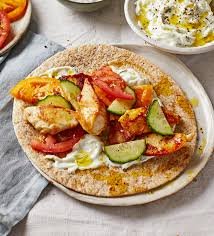
Not all snacks need to be sweet. Savory snack ideas include roasted chickpeas, vegetable wraps with hummus, avocado toast on whole grain bread, rice paper rolls with vegetables, or mini whole grain quesadillas with beans and cheese. Savory snacks provide fiber, protein, and healthy fats while offering variety to prevent snack fatigue. Incorporating savory options ensures balanced flavor profiles and satisfaction between meals.
Snacks for Busy Lifestyles
Quick and easy snack recipes for healthy eating are particularly valuable for busy lifestyles. Grab-and-go options like mixed nuts, fruit cups, cheese sticks, protein bars, and pre-portioned veggie packs reduce reliance on processed foods. Preparing snacks in batches ensures availability throughout the week, making it easier to maintain healthy eating habits even with a hectic schedule. Convenience and portability are key elements in practical snack strategies.
Tracking Snacks for Nutritional Balance
Monitoring snack intake is important to ensure they contribute positively to overall nutrition. Tracking portion sizes, calories, macronutrients, and timing helps maintain balance and prevents unintentional overconsumption. Snack tracking can be done with food journals, mobile apps, or simple notes. By keeping an eye on nutritional quality, you ensure that snacks support energy levels, wellness goals, and healthy eating habits.
Seasonal and Fresh Snack Ideas
Using seasonal fruits and vegetables enhances the freshness, taste, and nutrient content of snacks. Summer options include berries, watermelon, cucumber, and cherry tomatoes. Autumn brings apples, pears, carrots, and pumpkin. Winter offers citrus fruits, root vegetables, and pomegranate. Spring produces strawberries, peas, and leafy greens. Rotating seasonal ingredients ensures variety, optimal flavor, and maximum nutrient intake in your snack recipes.
Kid-Friendly Healthy Snacks
Quick and easy snack recipes for healthy eating can be adapted for children. Options include fruit kabobs, mini sandwiches with whole grain bread and cheese, yogurt cups with berries, veggie sticks with hummus, and homemade granola bars. Presenting snacks in colorful, fun ways encourages children to enjoy nutrient dense foods and develop healthy eating habits from an early age.
Snacking for Weight Management
Healthy snacks can support weight management by promoting satiety and reducing overeating at main meals. High protein, high fiber, and low sugar options such as nuts, seeds, boiled eggs, Greek yogurt, fruits, and vegetables help curb cravings. Portion control and mindful eating during snack times ensure that calories contribute to nutrition rather than excess energy intake. Proper snacking habits are an important component of maintaining a healthy weight.
Incorporating Superfoods in Snacks
Superfoods enhance the nutritional value of snacks, providing antioxidants, vitamins, minerals, and healthy fats. Ingredients like chia seeds, flaxseeds, goji berries, cacao nibs, spirulina, and pumpkin seeds can be added to energy balls, smoothies, yogurt parfaits, and granola bars. Incorporating superfoods into quick and easy snack recipes for healthy eating ensures nutrient density and supports long-term health and wellness goals.
Hydration and Snack Pairing
Pairing snacks with adequate hydration maximizes their benefits. Water, herbal teas, coconut water, or infused water support digestion, metabolism, and overall energy. Hydration prevents misinterpreting thirst as hunger, reducing unnecessary snacking. Including beverages as part of snack routines enhances the overall effectiveness of healthy snacking strategies.
Mindful Snacking Practices
Mindful snacking involves paying attention to hunger cues, portion sizes, and the sensory experience of eating. Avoiding distractions such as screens and eating slowly helps recognize satiety signals, preventing overeating. Mindful snacking enhances satisfaction, reinforces healthy choices, and aligns with overall goals for balanced nutrition.
Conclusion on Quick and Easy Snack Recipes for Healthy Eating
Quick and easy snack recipes for healthy eating provide convenient, nutrient dense, and flavorful options that support overall health, energy, and wellness. Incorporating fruits, vegetables, nuts, seeds, whole grains, protein sources, dairy or dairy alternatives, and superfoods into snacks ensures balanced nutrition. Planning, preparation, tracking, and mindful eating are key strategies for making snacks both satisfying and beneficial. Whether for weight management, fitness performance, or general health, quick and easy snack recipes for healthy eating empower individuals to make better food choices, maintain consistent energy levels, and enjoy a variety of delicious, wholesome options throughout the day.