
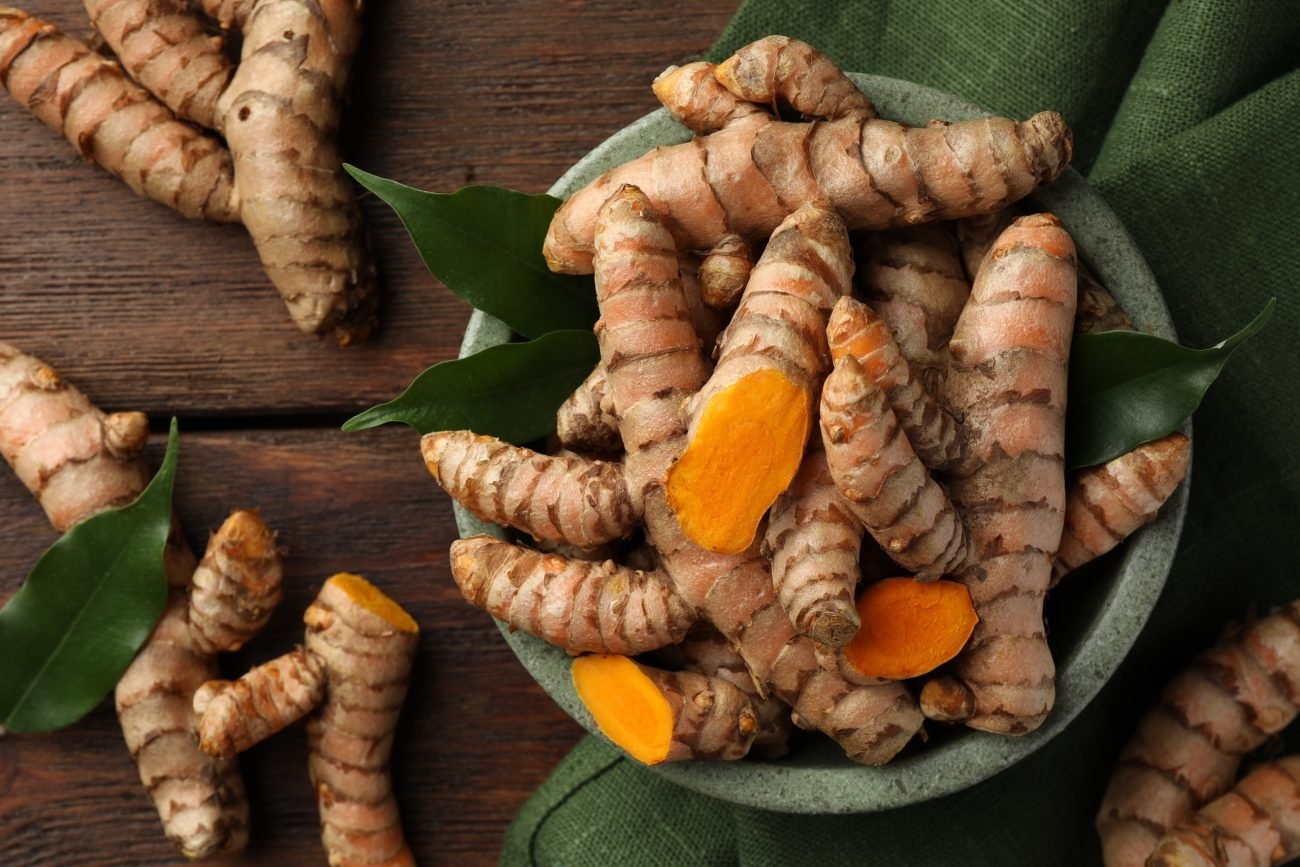
Turmeric, often referred to as the golden spice, has been celebrated for centuries in traditional medicine and culinary practices for its remarkable health benefits and healing properties. Derived from the root of the Curcuma longa plant, turmeric contains the powerful bioactive compound curcumin, which is responsible for its vibrant yellow color and therapeutic effects. The use of turmeric spans from ancient Ayurvedic and Chinese medicine to modern scientific research, highlighting its role in promoting overall wellness, supporting immunity, reducing inflammation, and enhancing digestive health.
Incorporating turmeric into daily routines, whether through cooking, teas, or supplements, offers a natural approach to health and healing. Understanding turmeric: the golden spice for health and healing involves exploring its nutritional profile, medicinal properties, traditional uses, modern applications, and practical ways to include it in a holistic lifestyle.
Nutritional Profile of Turmeric
Turmeric is rich in antioxidants, essential minerals, and bioactive compounds that contribute to its therapeutic properties. Curcumin, the primary active compound, has potent anti-inflammatory, antioxidant, antimicrobial, and anticancer effects. Turmeric also contains vitamins such as vitamin C, vitamin E, and B vitamins, as well as minerals including iron, potassium, and manganese. These nutrients support cellular repair, immune function, and metabolic processes. The nutritional richness of turmeric complements its role as the golden spice for health and healing, making it an ideal addition to a balanced diet.
Anti-Inflammatory Benefits
One of the most well-documented properties of turmeric is its anti-inflammatory effect, primarily due to curcumin. Chronic inflammation is linked to a variety of health conditions, including arthritis, cardiovascular disease, and metabolic disorders. Regular consumption of turmeric can help modulate inflammatory pathways, reduce markers of inflammation in the body, and alleviate joint pain and stiffness. Turmeric: the golden spice for health and healing is particularly valuable for individuals seeking natural strategies to manage inflammation without relying solely on pharmaceutical interventions.
Antioxidant Power and Cellular Protection
Turmeric is a potent antioxidant that neutralizes free radicals, protecting cells from oxidative stress and damage. Curcumin enhances the activity of endogenous antioxidant enzymes, promoting detoxification and cellular repair. This antioxidant capacity supports skin health, slows aging, protects DNA, and reduces the risk of chronic diseases. Including turmeric in the diet contributes to long-term health and vitality, reinforcing its reputation as a golden spice for health and healing.
Turmeric for Digestive Health
Turmeric has been traditionally used to support digestion and gastrointestinal health. It stimulates bile production, aiding fat digestion and nutrient absorption. Turmeric also soothes the digestive tract, reducing symptoms of bloating, gas, and indigestion. Its antimicrobial properties help maintain a balanced gut microbiome by combating harmful bacteria. Regular incorporation of turmeric: the golden spice for health and healing can promote smoother digestion, enhance gut function, and improve overall nutrient assimilation.
Immune System Support
Curcumin in turmeric modulates immune responses, enhancing the body’s ability to combat infections and diseases. Turmeric stimulates white blood cell activity, supports antibody production, and reduces excessive inflammatory responses that can weaken immunity. By incorporating turmeric into meals, teas, or supplements, individuals can strengthen their defense against illnesses and maintain robust immune health. Turmeric: the golden spice for health and healing is particularly beneficial during seasonal changes, stress, or increased exposure to pathogens.
Cardiovascular Health
Turmeric promotes cardiovascular health by supporting healthy blood vessels, reducing cholesterol levels, and preventing plaque formation in arteries. Its anti-inflammatory and antioxidant properties help maintain optimal heart function and reduce the risk of atherosclerosis. Curcumin also aids in regulating blood pressure and improving endothelial function. Regular consumption of turmeric contributes to a heart-friendly lifestyle, reinforcing its status as the golden spice for health and healing.
Blood Sugar Regulation
Turmeric has demonstrated potential in supporting healthy blood sugar levels and improving insulin sensitivity. Curcumin can modulate glucose metabolism and reduce inflammatory markers associated with diabetes. Incorporating turmeric into meals may support metabolic health, prevent blood sugar spikes, and contribute to long-term glucose regulation. Turmeric: the golden spice for health and healing offers a natural dietary approach to complement medical strategies for managing blood sugar.
Liver Health and Detoxification
Turmeric supports liver function by enhancing detoxification processes and promoting the production of antioxidant enzymes that neutralize toxins. Curcumin aids in protecting liver cells from oxidative damage and supports regeneration. Including turmeric regularly in the diet or as a herbal preparation contributes to optimal liver health, a vital organ for overall wellness and natural detoxification. The golden spice for health and healing helps maintain liver efficiency and reduces the risk of liver-related disorders.
Joint and Bone Health
Turmeric is widely used for promoting joint and bone health, particularly in conditions such as osteoarthritis and rheumatoid arthritis. Its anti-inflammatory and antioxidant properties alleviate joint stiffness, reduce pain, and improve mobility. Curcumin also supports collagen synthesis, which is essential for maintaining bone strength and cartilage health. Turmeric: the golden spice for health and healing offers a natural alternative or complement to conventional treatments for joint discomfort and bone degeneration.
Skin Health Benefits
Turmeric enhances skin health by reducing inflammation, protecting against oxidative stress, and promoting healing. Its antimicrobial properties help manage acne, while curcumin supports collagen production and reduces signs of aging. Topical turmeric masks, combined with oral intake, can improve complexion, reduce pigmentation, and promote a radiant glow. Regular use of turmeric reinforces its role as the golden spice for health and healing, both internally and externally.
Brain Health and Cognitive Support
Turmeric supports brain health by reducing inflammation and oxidative stress that can contribute to cognitive decline. Curcumin crosses the blood-brain barrier, enhancing neuroplasticity and stimulating the production of brain-derived neurotrophic factor (BDNF). Studies suggest that turmeric may reduce the risk of neurodegenerative diseases such as Alzheimer’s and improve memory and focus. Incorporating turmeric into daily routines strengthens cognitive resilience, further highlighting its healing properties.
Anti-Cancer Potential
Emerging research suggests that curcumin in turmeric may have anticancer properties. It has been shown to inhibit the growth of cancer cells, induce apoptosis, reduce tumor angiogenesis, and prevent metastasis. While turmeric is not a replacement for medical treatment, including it as part of a nutrient rich, anti-inflammatory diet can support overall health and contribute to cancer prevention. Turmeric: the golden spice for health and healing plays a role in proactive dietary strategies to reduce cancer risk.
Ways to Incorporate Turmeric into Your Diet
Turmeric can be easily integrated into daily meals. Popular methods include adding turmeric powder to curries, soups, stews, rice dishes, smoothies, teas, and golden milk. Combining turmeric with black pepper enhances curcumin absorption. Turmeric can also be used in salad dressings, roasted vegetables, and eggs. Consistent use in cooking or as a herbal infusion maximizes its health benefits and ensures its role as the golden spice for health and healing.
Turmeric Supplements and Dosage
Turmeric supplements provide concentrated curcumin for individuals seeking higher therapeutic doses. Capsules, powders, and extracts are widely available. Combining curcumin with piperine (from black pepper) significantly improves absorption. Consultation with a healthcare provider ensures safe and appropriate use, especially for individuals on medications or with underlying health conditions. Supplements complement dietary intake and enhance the medicinal properties of turmeric.
Safety and Precautions
Turmeric is generally safe when consumed in culinary amounts, but high doses or supplements may cause gastrointestinal discomfort, interact with medications, or increase bleeding risk in certain individuals. Pregnant or breastfeeding women should consult healthcare professionals before using high-dose turmeric supplements. Awareness of safety considerations ensures that turmeric: the golden spice for health and healing can be used effectively without adverse effects.
Traditional Uses of Turmeric
Historically, turmeric has been used in Ayurvedic and Chinese medicine to treat inflammation, digestive issues, infections, skin conditions, and respiratory ailments. It has been applied topically for wound healing, incorporated in herbal teas for detoxification, and used in culinary preparations for general wellness. Understanding traditional uses highlights the versatility and long-standing significance of turmeric as the golden spice for health and healing.
Modern Scientific Research on Turmeric
Recent studies validate many traditional claims about turmeric’s health benefits. Research supports its anti-inflammatory, antioxidant, antimicrobial, liver protective, cardiovascular, cognitive, and anticancer effects. Clinical trials continue to explore optimal dosages, bioavailability, and synergistic effects with other nutrients. Scientific evidence strengthens turmeric’s reputation as a powerful natural remedy and reinforces its inclusion in modern health and wellness routines.
Combining Turmeric with Other Superfoods
Turmeric can be paired with other superfoods to enhance overall health benefits. For example, combining turmeric with ginger supports digestion and reduces inflammation. Turmeric with garlic enhances immune function, while turmeric with leafy greens and berries boosts antioxidant intake. These combinations amplify therapeutic effects and contribute to a nutrient dense, healing diet. Integrating turmeric with complementary foods reinforces its role as the golden spice for health and healing.
Lifestyle Factors to Maximize Benefits
To maximize turmeric’s benefits, adopting a healthy lifestyle is crucial. Adequate sleep, regular exercise, stress management, and a balanced diet rich in fruits, vegetables, whole grains, and healthy fats complement turmeric’s effects. Avoiding smoking, limiting alcohol, and maintaining hydration support its healing properties. Turmeric works best as part of an integrated approach to wellness, enhancing overall health outcomes.
Practical Tips for Using Turmeric Daily
Consistency is key to benefiting from turmeric. Start with small amounts in meals or beverages and gradually increase to culinary or supplemental doses. Pair with black pepper or healthy fats to improve absorption. Experiment with recipes like golden milk, turmeric teas, curries, soups, smoothies, and roasted vegetables. Regular inclusion in daily routines maximizes its therapeutic potential, reinforcing turmeric as the golden spice for health and healing.
Conclusion on Turmeric for Health and Healing
Turmeric: the golden spice for health and healing offers extensive benefits for inflammation, immunity, digestion, cardiovascular health, brain function, skin, hair, nails, and overall wellness. Rich in curcumin, antioxidants, vitamins, and minerals, turmeric supports the body’s natural healing processes and protects against oxidative stress. Incorporating turmeric into meals, beverages, or supplements, combined with a healthy lifestyle, amplifies its therapeutic effects. From traditional medicine to modern research, turmeric remains a versatile, natural remedy that enhances health, vitality, and longevity, truly earning its title as the golden spice for health and healing.